Yves Saint Laurent: Le Smoking and the Mondrian Dress
Tuxedos, colour-block dresses and ready-to-wear reveal how familiar forms reached different wearers and occasions.
ÉPOPLI ·
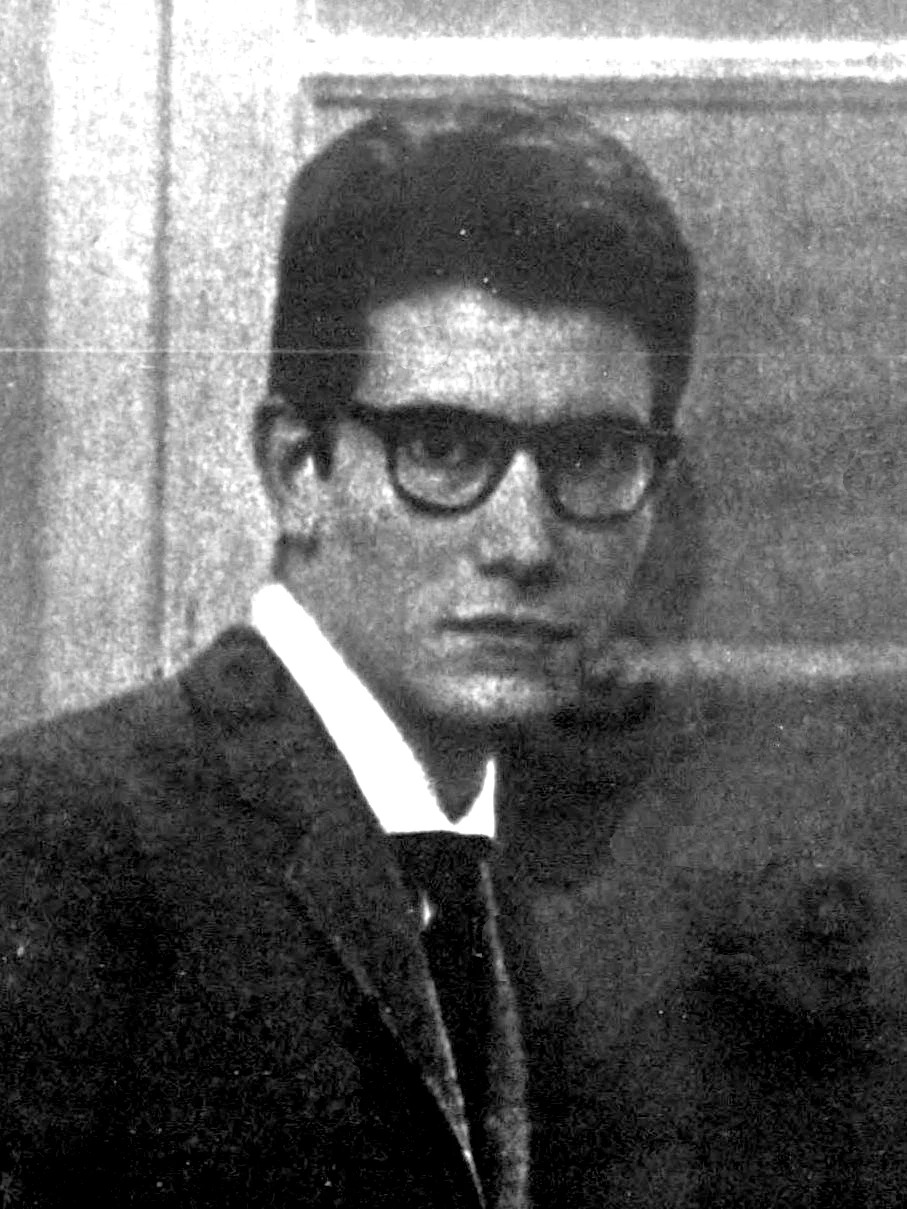
A tuxedo changes evening dress
Yves Saint Laurent Saint Laurent history reaches a turning point with the autumn–winter 1966 tuxedo. Le Smoking adapted the proportions of formal menswear to a female wearer rather than simply shrinking a man’s jacket. Its lapels, shirt and trousers offered a different kind of evening presence.
Couture clients initially resisted it, while ready-to-wear customers responded more readily. This difference matters: a garment acquires meaning through the people and places that receive it. Haute couture means high-level clothes individually fitted to clients.
Le Smoking did not single-handedly complete women’s emancipation; it gave a concrete form to changes already under way. Its vertical trouser line and jacket front invite attention to posture rather than abundant decoration.
Oran, Paris and the house of Dior
Born in Oran, Algeria, on 1 August 1936, he grew up interested in books, drawing and fashion magazines. He moved to Paris in 1954, studied dressmaking and won prizes for dresses in the International Wool Secretariat competition. Work at Dior provided practical training.
Following Dior’s death in 1957, he took responsibility for the collections and presented the Trapeze line in 1958. Yves Saint Laurent Saint Laurent history includes the less comfortable sequel to that celebrated debut. His 1960 designs brought dark colours, leather and references to beatnik dress into the salon, encountering resistance.
Designing for an established clientele and finding a new audience were different challenges. His eventual independence grew from this friction as well as from technical experience.
A house and a different shop
He established his own house with Pierre Bergé in 1961 and presented its first collection in 1962. Bergé’s business and organisational work must be distinguished from the designer’s authorship. Yves Saint Laurent Saint Laurent history expanded through the Paris rive gauche boutique in 1966.
Its ready-to-wear was conceived as a separate collection, not merely a cheaper copy of couture. Careful prototypes supported a different shopping experience: choosing clothes in a store rather than returning for repeated fittings. The rive gauche venture connected distribution to design.
Jackets and trousers could become components of a wardrobe. Experiment in the salon and everyday urban dressing could now inform one another, although this did not make luxury clothing universally affordable.
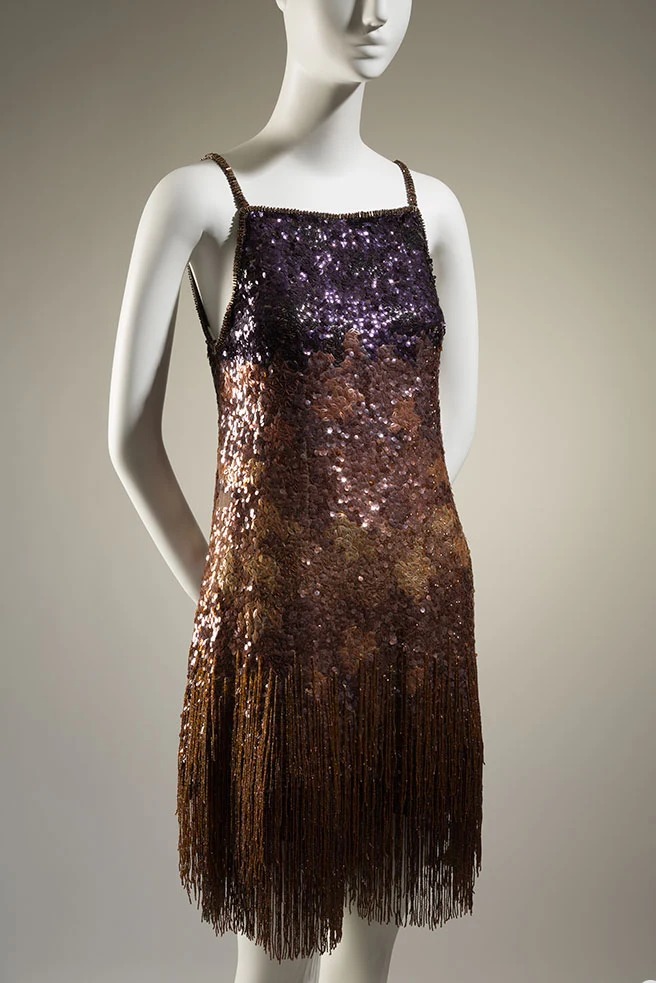

Mondrian translated into construction
The 1965 Mondrian dress is recognisable through its white ground, dark lines and primary-colour areas. Yves Saint Laurent Saint Laurent history here becomes a question of translating a flat image onto a moving body. The short, relatively unrestrictive shape makes the composition legible.
Boundaries between areas belong to the construction of the garment as well as to its visual design. Looking only for a famous painting misses this interaction. The apparent simplicity of the Mondrian dress does not imply easy manufacture: a displaced line changes the balance, while movement introduces something absent from a painted canvas.
Museum front views and photographs of a wearer therefore offer different evidence. The work is both an artistic tribute and an exercise in making seams sustain an image.
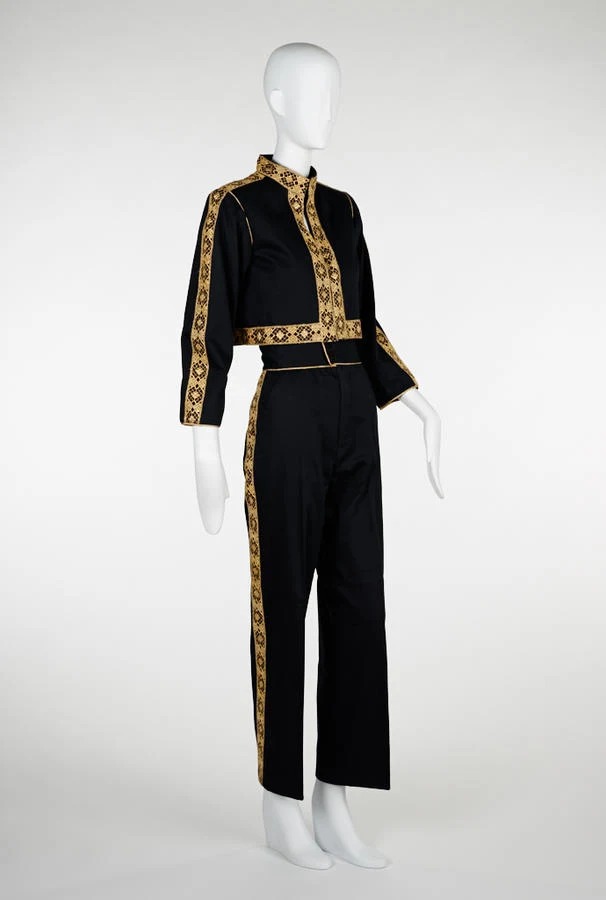

A jacket made famous through photography
Museum records distinguish an early safari jacket in 1967 from the celebrated version made for a 1968 Veruschka shoot. Yves Saint Laurent Saint Laurent history was produced through photographs as well as collections. Pockets, lacing and fastening suggest practical clothing, yet a tied waist and open front can emphasise the body.
The safari jacket demonstrates how utility changes within a fashion image. Its associations with colonial travel and military dress should not disappear behind an uncomplicated claim of freedom. Model and photographer helped establish the remembered pose.
Garment construction, photographic styling and magazine circulation are separate stages of the object’s public life; none can fully substitute for the others.
The difficult return of the 1940s
The spring–summer 1971 collection recalled the 1940s through short dresses, pronounced shoulders and platform shoes. Paloma Picasso’s flea-market clothes were among its reference points. For viewers who remembered wartime occupation, however, these forms were not neutral nostalgia.
Yves Saint Laurent Saint Laurent history cannot consist only of subsequently successful icons. Proportions also carry memories, and generations may read them differently. Later enthusiasm for retro dressing did not invalidate the initial discomfort.
This collection asks how designers select and recirculate the past, and what cultural responsibility accompanies that freedom. Judging it solely by whether the clothes look attractive today would miss the historical dispute.
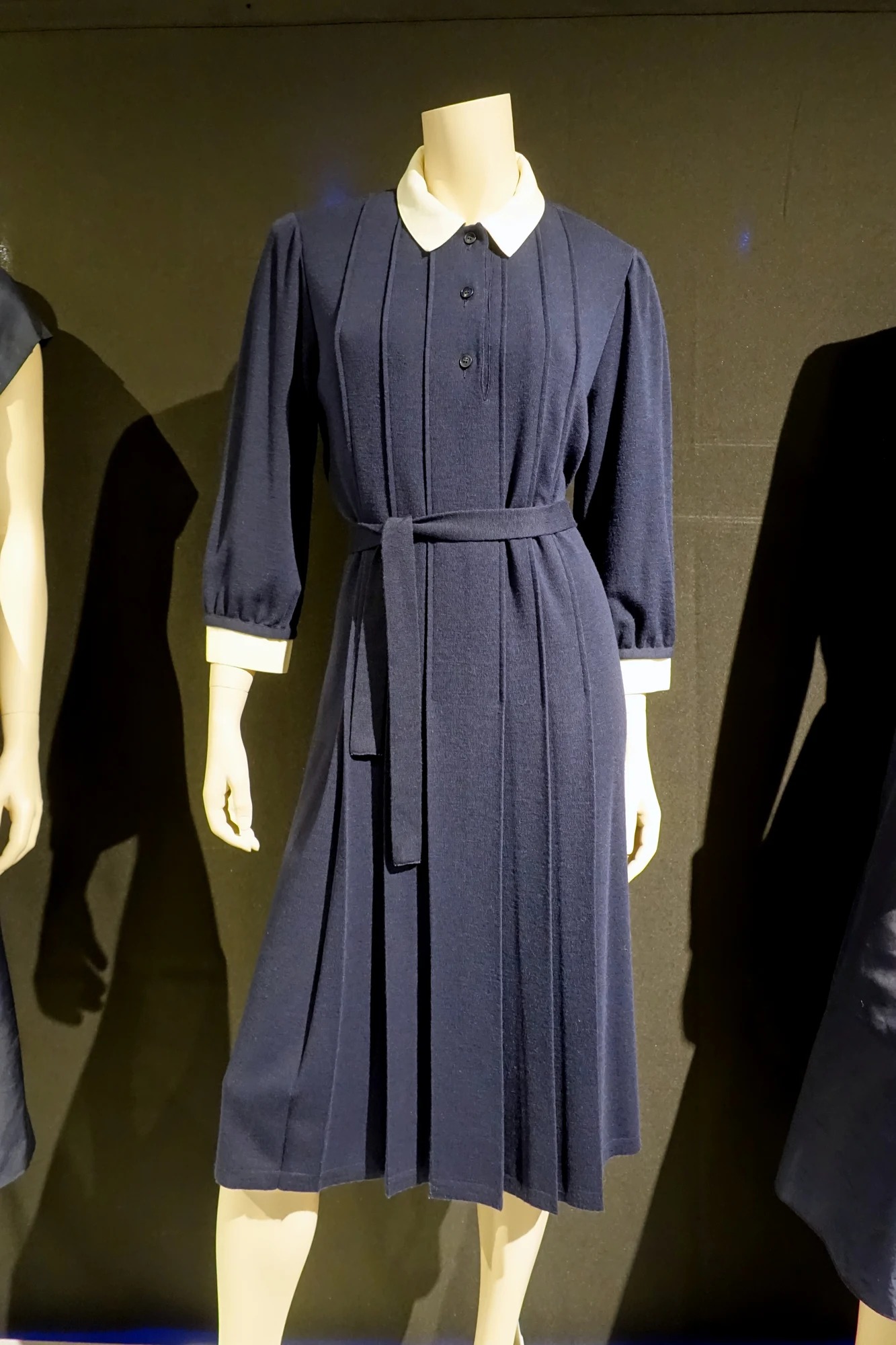

The hands behind a signature
Anne-Marie Muñoz’s studio work, Loulou de La Falaise’s collaboration and the relationship with Catherine Deneuve reveal different routes from drawing to clothes and public image. Yves Saint Laurent Saint Laurent history must distinguish the end of his couture activity in 2002 and his death in 2008 from the house’s subsequent output. A current collection carrying the brand name is not a work made by its founder.
Le Smoking, the geometric dresses and the utility-inspired pieces also resist reduction to a single silhouette. What connects them is the reworking of existing clothes and cultural images through a specific studio and workshop system. Preserved sketches, technical sheets and garments allow readers to examine those collective decisions rather than rely on a solitary-genius story.
Timeline
- 1936 — Born in Oran, Algeria
- 1961–1962 — House established; first collection
- 1966 — Le Smoking and rive gauche
- 2002 — End of couture activity
- 2008 — Died
Sources
- Musée Yves Saint Laurent Paris — First Tuxedo
- An Oran Childhood
- Moving to Paris
- The Dior Years
- Creation of the couture house
- SAINT LAURENT rive gauche
- The Mondrian Revolution
- First Safari Jacket
- La collection du scandale
- Musée Yves Saint Laurent Paris — Biography
- Musée Yves Saint Laurent Paris — Death of Yves Saint Laurent
Related reading
Charles Frederick Worth: The House Behind Haute Couture · Coco Chanel: Jersey, the Little Black Dress and Tweed · Christian Dior: The New Look and the 1947 Bar Suit · Kim Jones: Dior Menswear, Tailoring and Collaboration · Fashion History · Designers