Models · 040
Stella Tennant
Life & Career
- Born
- 1970-12-17
- Died
- 2020-12-22
- Nationality
- British
Scottish upbringing and art education
Stella Tennant was born in 1970 and grew up on a farm in the Scottish Borders. Before modeling, she completed a sculpture degree at Winchester School of Art. Training in materials and form was a different starting point from presenting clothing through the body. Although aristocratic ancestry often attracted press attention, her professional transition came while considering her next step after art school. She entered a new expressive medium rather than simply occupying a predetermined fashion role.[1][2]
A turning point in Vogue in 1993
Tennant’s first modeling assignment was Steven Meisel’s story for British Vogue’s December 1993 issue, alongside Plum Sykes and others. It recorded a distinct London style as fashion moved beyond existing glamorous supermodel imagery. Keeping her nose piercing made personality important alongside clothing. She later recalled that an image becoming an Italian Vogue cover changed her life rapidly. One photographic assignment connected her with international agency and designer attention.[2][3]
Restraint and a relationship with Chanel
Karl Lagerfeld’s attention made Tennant an important Chanel figure. Cropped hair and restrained bearing presented the house’s clothes through a different character. Their sustained relationship showed that individuality could coexist with a brand’s visual language. Her success cannot be explained only through an approachable smile or one conventional idea of femininity. Presence emerged through details of line, posture and gaze, sustained by collaborators who recognized those qualities.[4][5]
The languages of different designers
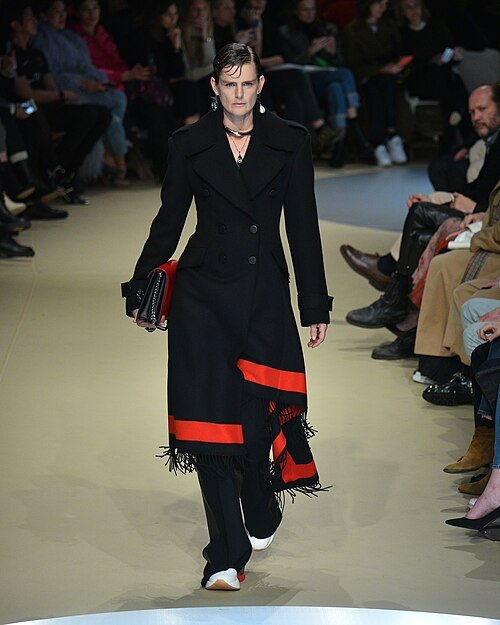
Tennant interpreted clothes for Helmut Lang, Alexander McQueen, Jean Paul Gaultier and Versace. Work ranging from restrained tailoring to theatrical runway settings shows that one fixed image did not perform every task. Colleagues’ tributes recalled professionalism and humor alongside individuality. The apparently reserved figure in a photograph was not necessarily the whole person collaborators knew. A long career depended on understanding new clothes and completing work with teams as well as a distinctive face.[4][6]
A selective career alongside family life
Tennant combined family life with selected modeling work. Burberry advertising in the 2000s became an important later credit, followed by continued editorial and runway assignments. Moving between Scottish life and international fashion differed from an assumption that a career requires constant presence in one industry center. Periods of reduced work should be distinguished from later assignments. Her history includes negotiating a relationship between personal life and a profession moving at considerable speed.[5][7]
A public representative of British fashion
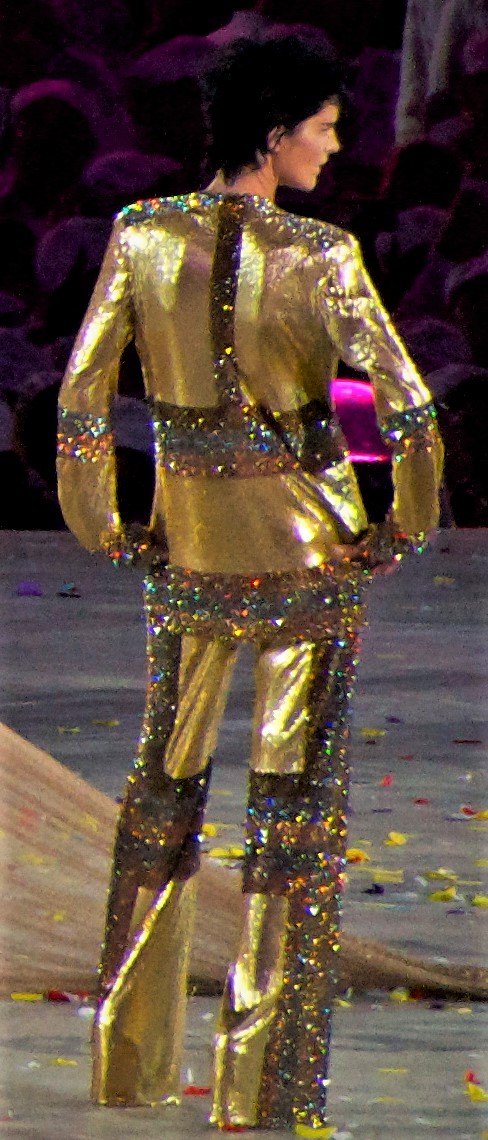
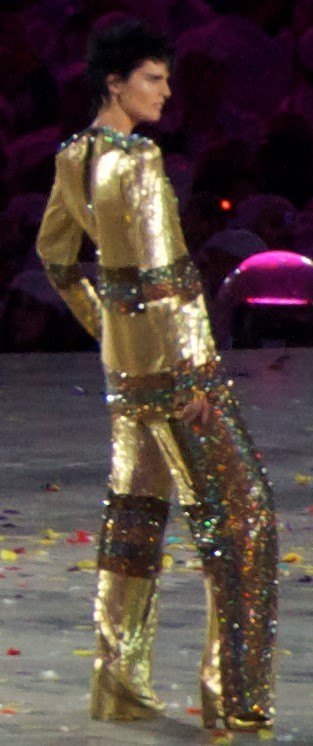
Tennant participated in the fashion sequence of the London Olympics closing ceremony in 2012 and received recognition at the Scottish Fashion Awards that year. Industry standing thus connected with a wider public stage. In British Vogue in 2018 she revisited the first editorial that launched her career. Decades of photographs document not only trends but how one model interpreted clothes differently across periods. Her recollections reveal chance and collaboration behind the finished images.[3][5]
Her death in 2020 and the work that remains
Tennant died on December 22, 2020. Fashion publications confirmed her death through a family statement and collected colleagues’ memories. This account focuses on public dates and professional work without speculating about private distress. Her legacy extends beyond changing 1990s beauty conventions: art education, personal bearing and collaborations across generations remain relevant. She demonstrated how a model could preserve individuality while expanding the expressive possibilities of clothes.[4][7]