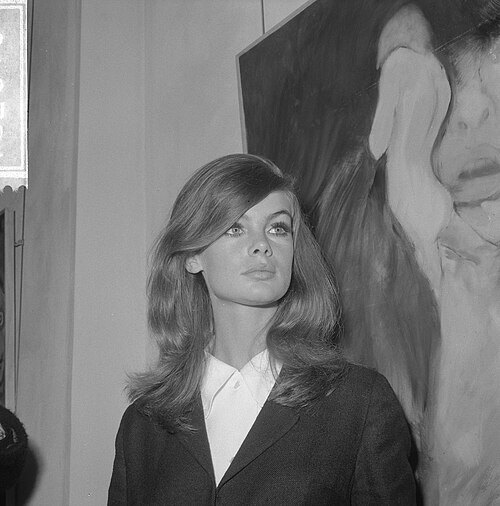
Models · 006
Jean Shrimpton
Life & Career
- Nationality
- British
Origins
Raised on a Buckinghamshire farm, Shrimpton attended the Lucie Clayton modeling school. Her youthful proportions and expression coincided with fashion’s increasing attention to younger consumers.[1][2]
Entry into fashion
She met David Bailey at a studio in 1960 while working with Brian Duffy. Their collaboration advanced both careers, while her work with other photographers demonstrates an independent professional range.[1][3]
Creative partnership
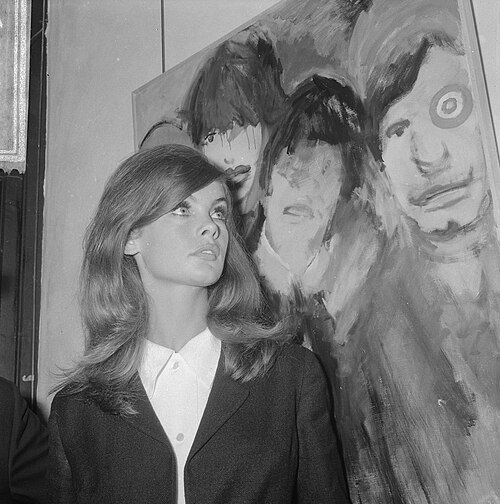
The April 1962 Young Idea Goes West story placed fashion in New York streets and phone booths. Its reportorial immediacy became a defining collaboration and was later dramatized for television.[1][2]
Defining work
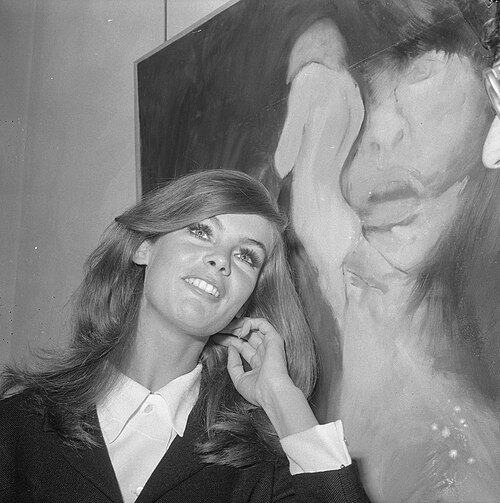
Her short white Colin Rolfe dress at Melbourne’s 1965 Derby Day challenged formal dress expectations and helped popularize the miniskirt internationally; she did not invent it.[1][4]
Changing direction
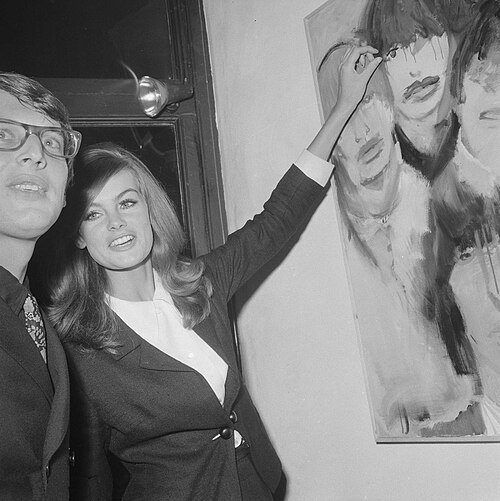
She appeared in major magazines, advertised Yardley and acted in Privilege (1967). Her principal legacy nevertheless remains photographic, including an ability to adapt beyond a single youthful look.[2][4]
Later career
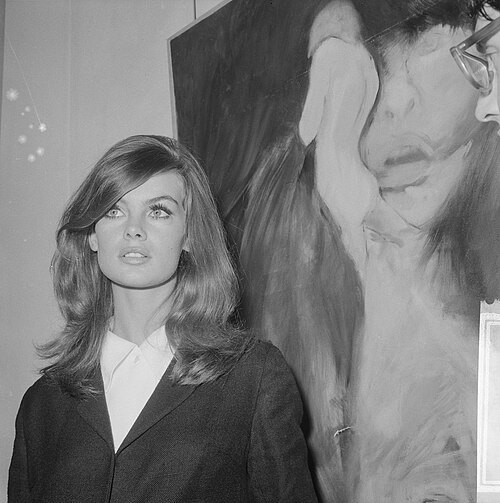
She moved to Cornwall in 1975, ran an antiques shop and later acquired the Abbey Hotel with her family. Reduced visibility was a chosen change of direction, not evidence of professional failure.[1]
Legacy
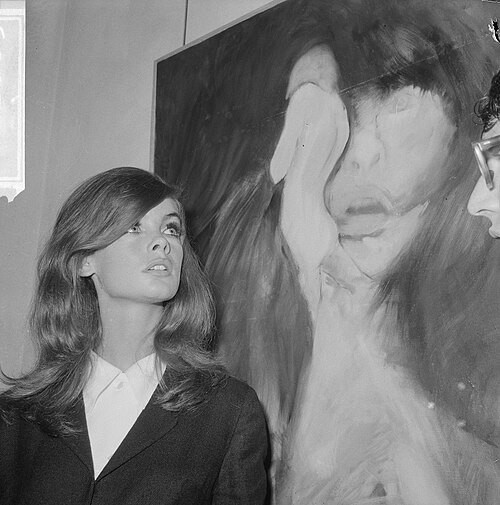
The V&A republishes her 1964 account of modeling, offering her own perspective on the job. A 2024 British Vogue history revisited the wider editorial collaboration behind her celebrated images. Her historical significance can be examined through the photographs and their publication contexts. A model’s public image and the choices made later in life are different kinds of evidence, and neither should be used to invent an uninterrupted professional schedule.[3][5] The museum’s first-person text places professional conditions alongside the finished fashion image.