
A different expression of the body
A familiar feature of 1920s fashion is reduced emphasis on the curves of waist, bust and hips. The dropped waist and straight silhouette together explain proportions different from the preceding period. This does not mean decoration disappeared. The basic outline and the richness of the surface are separate matters. Examine the torso first, then materials and ornament. Keeping these stages distinct reveals construction beyond the familiar image of the party dress.

What lowering the waist means
A dropped waist divides the garment below the body's natural waist. The elongated upper-body effect in 1920s fashion is not solely a consequence of shorter skirts. The position of a horizontal line changes perceived upper and lower lengths. Do not confuse a belt or decorative band with a cut seam. On surviving garments, examine seams and gathering points together. Different construction methods can produce similar visual effects, so use the term with attention to the actual object.

Straight shapes in motion
The straight silhouette in 1920s fashion is not one uniform shape that completely hides the body. Fabric thickness, weight and ease alter its movement. Observe how the skirt below a dropped waist spreads or swings to consider what a still photograph omits. Shorter length and a straight torso are separate characteristics, even when they appear together. Rather than memorize a single period formula, distinguish length, volume and movement when reading actual clothes.

Who was the fashion made for?
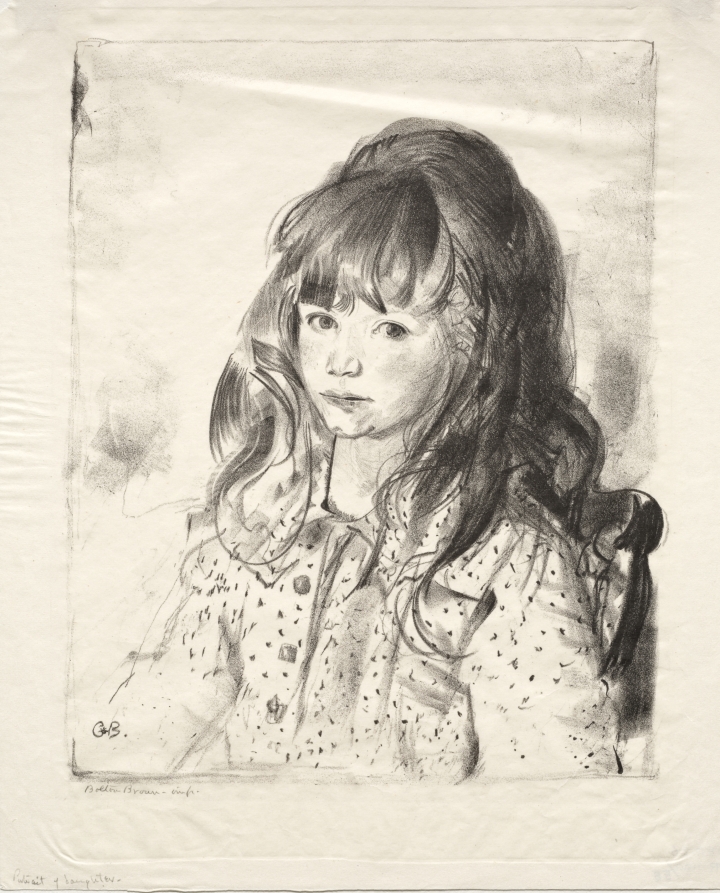
The popularity of a straight silhouette did not mean identical clothes were available for every age and body shape. Research into 1920s fashion and ready-to-wear records demand for garments accommodating bodies different from the prevailing ideal. Fashion images and actual consumers were not identical. The question is not which body was correct, but whose proportions informed production and choice. Look beyond advertising and illustration to garments of different sizes and commercial evidence to understand the market behind the celebrated style.
The ready-to-wear perspective
Viewing the dropped waist through consumption brings cutting and sizing into focus. In 1920s fashion, enlarging a design could differ from adjusting its proportions for another body shape. Ready-to-wear research is useful because it examines appearance alongside production. Ask which consumer a garment anticipated instead of looking only at a striking dress. Considering varied wearers moves us beyond the claim that fashion applied equally to everyone. Dress history also concerns relationships between the people making clothes and those wearing them.

Beyond the party image
Remembering 1920s fashion only through sparkling evening wear obscures everyday variations of the straight silhouette. Distinguish day from evening and outdoor from indoor clothing. Materials, decoration and length could vary by occasion within the same decade. Film costumes and later revival outfits also serve purposes different from contemporary garments. A visually striking image is not necessarily the most typical outfit. Checking origin and date gives a more rounded understanding of the period.

Comparing the 1930s
After examining the dropped waist and straight silhouette of 1920s fashion, compare the natural waist position and longer lines of the 1930s. Reducing the contrast to short versus long skirts overlooks cutting. Examine how closely the torso follows the body and the direction in which fabric falls. Fashion shifts between ideals while retaining varied forms. Recording length, waistline and material separately makes change clearer. Move between the image that symbolizes a period and the diversity of its surviving garments.