
Read two periods together
Understanding 1900s dress benefits from looking ahead to the 1910s. A process of change connects the curves described as the S-shaped silhouette with later, more natural lines. Beginning only with wartime practical clothing misses simplification already underway. Arrange sources by date and compare shoulders, bust and waist. A new decade does not make one form vanish suddenly: older proportions may remain while other garments already show new lines.

Observing the upper-body curve
The S-shaped silhouette describes a familiar image of 1900s dress, not every garment worn by every person. Examine the relationship between bust, waist and hips in profile; the front alone may not reveal direction or posture. Silhouette results from garment, body position and support together. Curves emphasized in portraits or fashion illustrations should not be applied to every moment of daily life. Consider the source's purpose and medium to interpret the shape accurately.
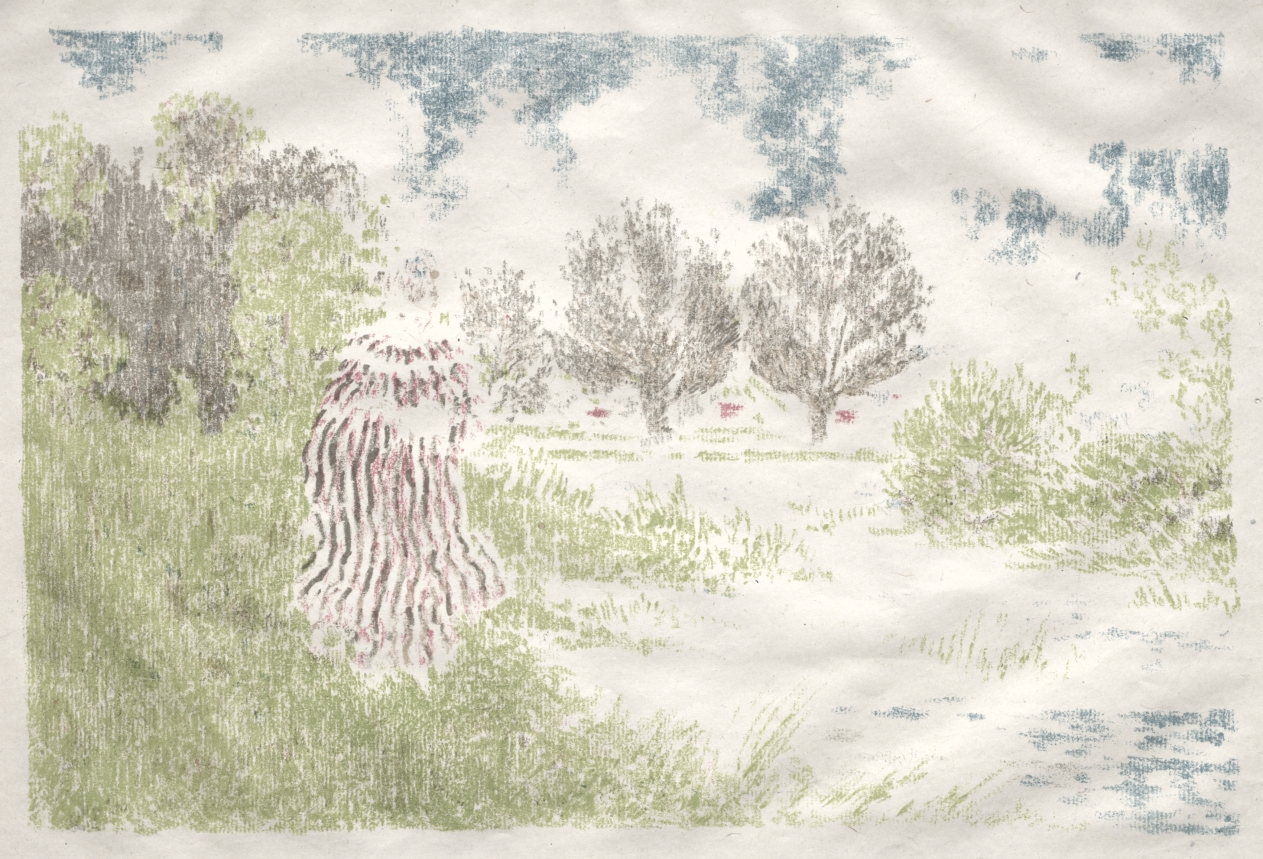
Simplification before the war
As 1900s dress moved into the 1910s, the upper-body line gradually softened and became more natural. Since alternatives to the S-shaped silhouette already existed, the spread of practical clothing cannot be explained by war alone. Even when social events overlap with clothing changes, chronology matters. Check the garment's date and observe what changed before connecting it to historical context. Follow the evidence's pace rather than force every image into a predetermined explanation.
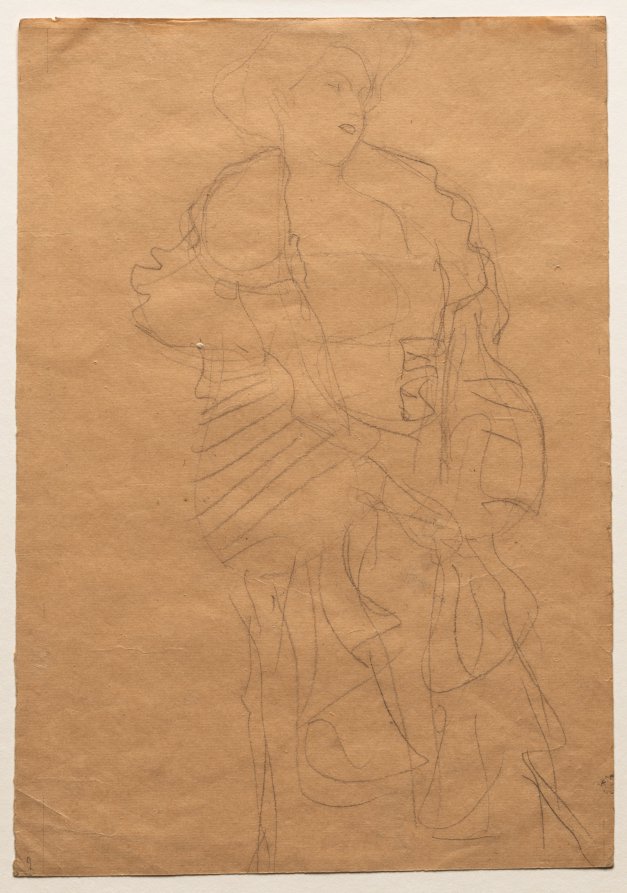
Clothing for activity
Practical clothing during the First World War raises questions about work and travel. Compared with decorative images of 1900s dress, examine freedom around the arms, fastenings and layers as well as hem length. A tunic over a skirt, for example, cannot be explained simply as shorter clothing. Looking comfortable and being constructed for a particular activity are different things. Identify the task and the places where the garment permits movement to connect daily life with clothing more precisely.
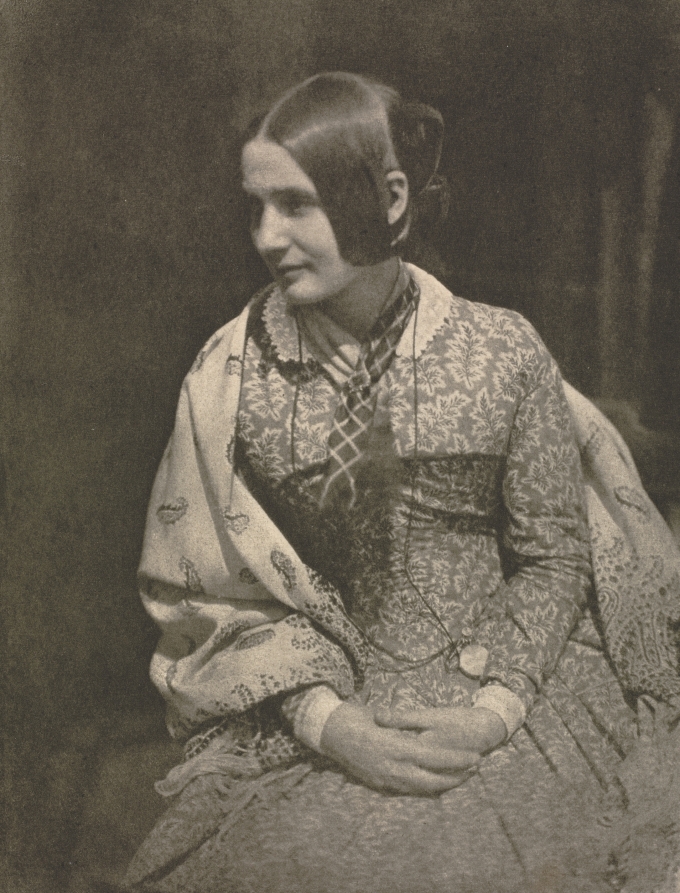
Materials and layers together
An outline different from the S-shaped silhouette still depends on fabric and layering. Do not compare thin cloth with heavy outerwear as if they provide equivalent evidence of 1900s dress. A photograph of a dress alone and a street scene with coats convey different information. Identify which layer owns each neckline, sleeve and hem. Undecorated clothing can have complex cutting, and soft-looking garments may rely on specific understructures. Check the visual impression against the construction description.
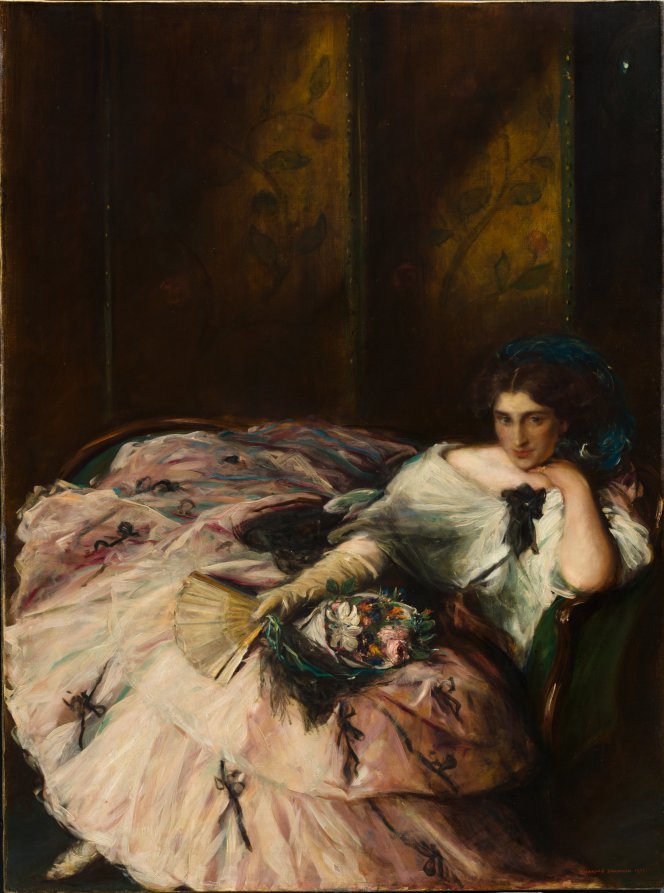
Avoid a single story of change
Describing 1900s dress and its successors solely as increasing freedom or decreasing decoration obscures differences. Even as practical clothing became important, formal and everyday choices varied by region and class. Multiple forms coexist within a period. Match purpose, season and the wearer's role when comparing sources. This makes the direction of change more precise. Explaining what actually changed is more useful than saying that one outfit simply looks more modern.
Connecting with the 1920s
Comparing the S-shaped silhouette of 1900s dress with the straighter clothing of the 1920s reveals different emphases on torso and waist. Do not bridge the gap through practical clothing alone; include the changes of the 1910s. Intermediate evidence connects otherwise extreme representative images. Compare waist position, torso ease and skirt length independently. Using several criteria makes the process of change richer. Read clothing as objects embodying choices about making and living, rather than illustrations of historical events.