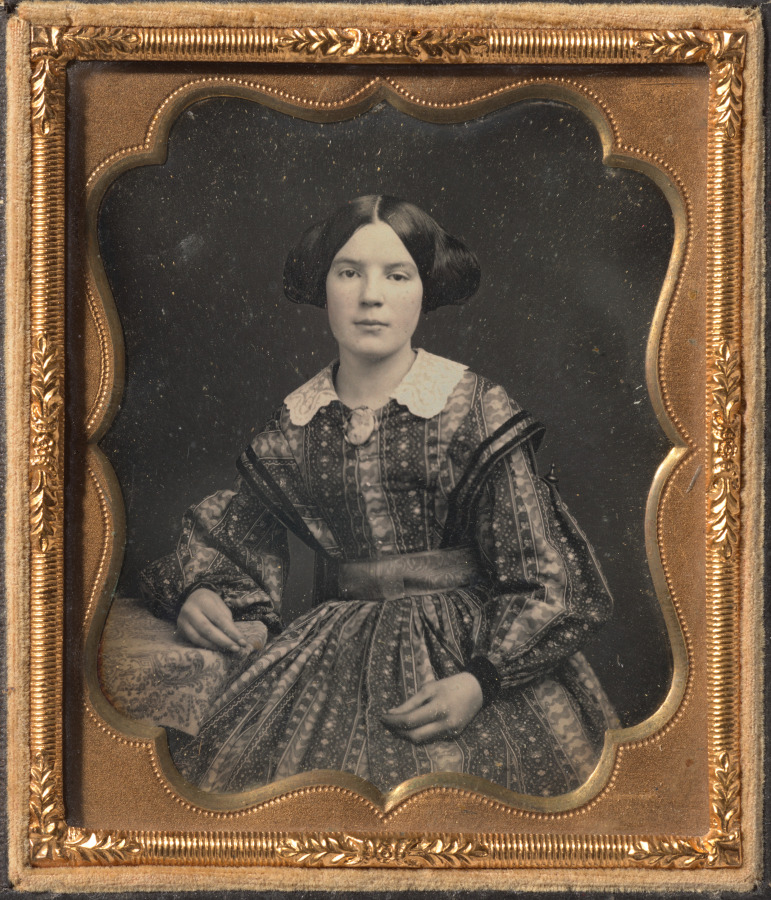
Where does garment volume come from?
The broad or rear-projecting skirts of nineteenth-century dress immediately draw attention. Crinoline and bustle are key terms, but should not be grouped together as decoration for large skirts. Ask in which direction each produces volume and how it supports it. Outlines changed substantially within the century; one elaborate gown cannot represent a hundred years. Checking the date and side view often reveals structural change more clearly than the ornament visible from the front.
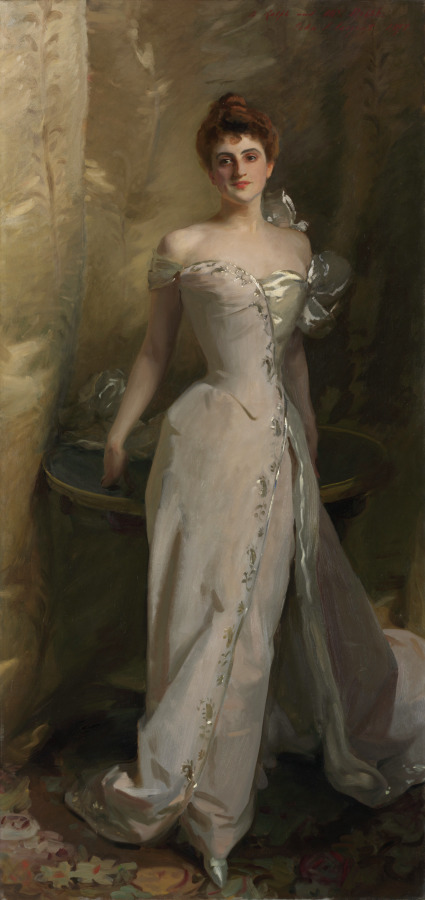
Wide skirts and cage structures
The cage crinoline of the 1850s helps explain broad skirt support. Without considering the structure beneath nineteenth-century dress, it is difficult to understand how the fabric maintains its weight and volume. Examine gown and framework separately before connecting them. Similar width does not prove identical support. Check the museum's date and description before applying a term to an object from another period merely because it looks familiar.
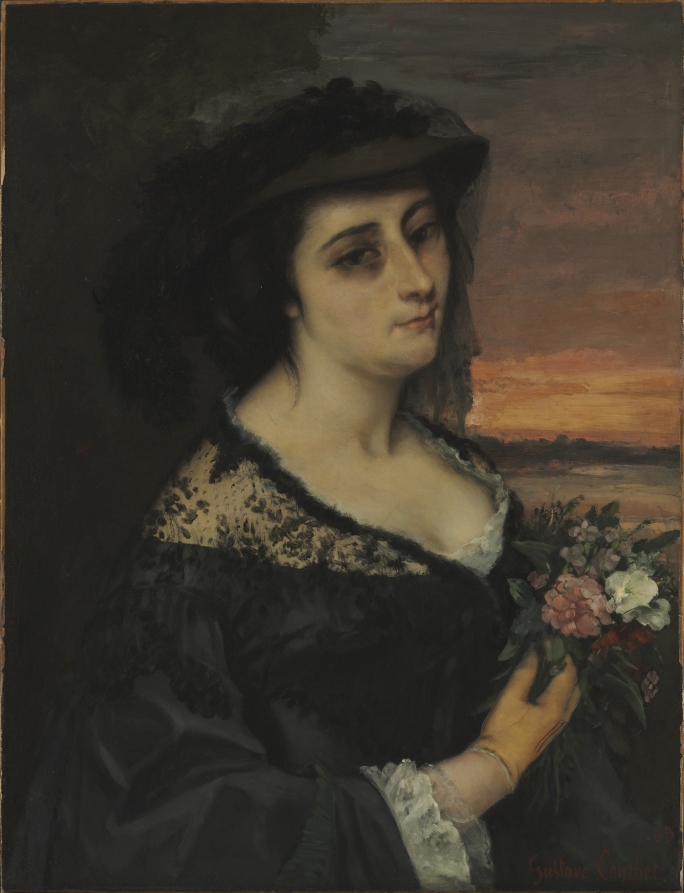
Volume moves toward the back
The bustle is especially useful for reading rear volume in sources from the 1870s and 1880s. Comparing this with the crinoline makes changes in total width and profile clearer within nineteenth-century dress. Examine pads or frameworks as well as the silhouette. The change can be less obvious from the front, making rear and side views essential. These garments demonstrate that silhouette is three-dimensional space around the body, rather than a flat outline.

Drapery and decoration
Bustle gowns in nineteenth-century dress may gather fabric behind or overlap it in multiple layers. Instead of viewing ribbons and folds independently, ask how the cloth rests on space created by the supporting structure. Ornament can reinforce direction, but not every fold acts as a fastening or support. Separate function from visual effect. Where construction is undocumented, distinguish an observed form from a possible explanation rather than presenting a photographic impression as certainty.

Sewing machines and production
Alongside changes such as the crinoline, sewing machines and textile production altered the making environment of nineteenth-century dress. New technology did not immediately eliminate handwork or make every garment identically produced. Examine the processes involved in fabric, stitching and ornament separately. A machine's existence is different from evidence of its use. Ask who made the garment and with which tools, not only who designed it. Production belongs beside changing silhouettes in the history of clothing.
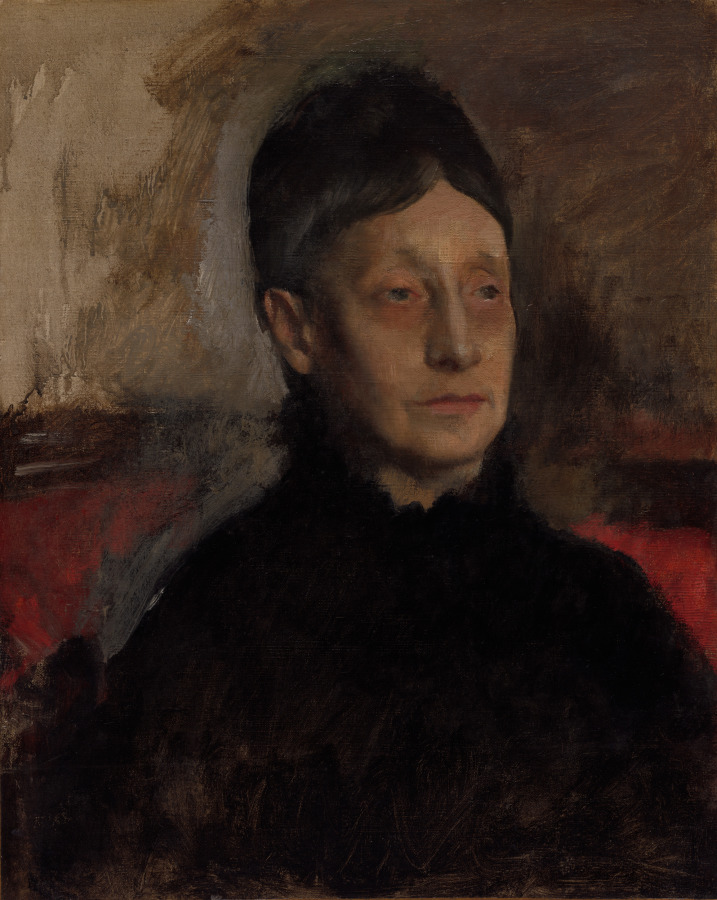
Comparisons with menswear
Limiting nineteenth-century dress to women's gowns leaves out men's tailoring and restrained ensembles. The rear volume of a bustle and the cut lines of a man's coat shape the body differently within the same society. Neither needs to be described as more advanced. Compare emphasis and occasion instead. Restrained materials and colors do not mean an absence of skill: shaping shoulders, waist and hem may be central. Studying both reveals multiple aesthetic standards within a period.

Approaching the twentieth century
After understanding the crinoline and bustle in nineteenth-century dress, compare the upper-body curves of the 1900s and the more natural lines of the 1910s. Identify where volume gathers and how the body is supported. Rather than simply claiming that clothes became more comfortable, record what remained and what changed. Later simple-looking garments also have varied structures. When comparing front-view widths, account for camera angle and exhibition supports. Use comparable views where possible, and do not infer hidden construction solely from appearance. Establishing fair comparison conditions is itself a skill in reading dress history.