
From horizontal width to vertical line
Compared with earlier court clothing, neoclassical dress changes the apparent direction of the garment. Lines extending downward replace skirts that spread broadly sideways. The high waistline central to Empire dress changes the perceived relationship between upper and lower body. The change did not occur everywhere in Europe on a single day. Read late-eighteenth- and early-nineteenth-century sources in sequence, observing waist position, skirt width and outerwear separately.
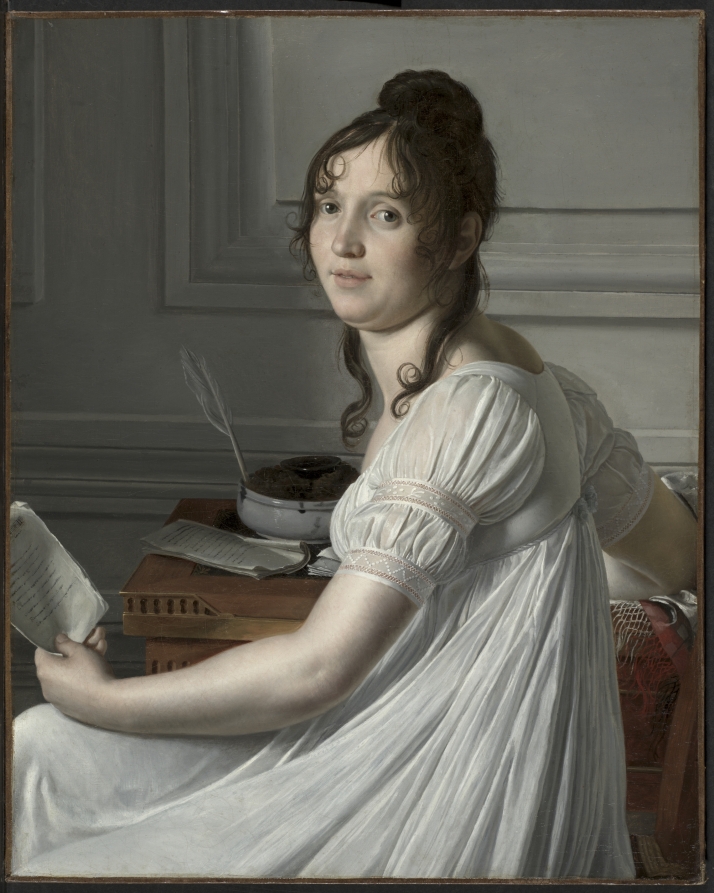
Ways of referring to antiquity
Neoclassical dress belongs within renewed interest in Greece and Rome. This does not make Empire dress a literal copy of ancient clothing. Lines and proportions suggesting antiquity were reconstructed through contemporary making techniques and living conditions. Distinguish resemblance from actual construction. Draping cloth and cutting and sewing it are different processes. An outfit that evokes antiquity need not share the material or wearing method of an ancient garment.
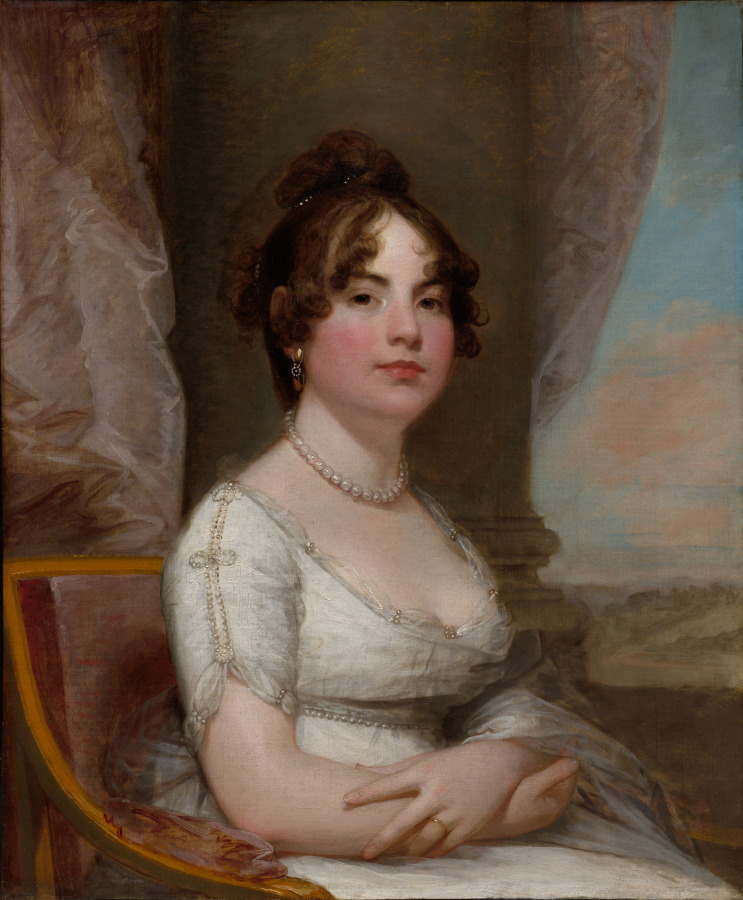
What changes when the waist rises?
A high waistline divides the garment above the body's natural waist, altering the apparent starting point of the legs. In neoclassical dress, examine the distance between the line below the bust and the hem. This separates the short-looking upper section of Empire dress from the effect of its long skirt. Limited decoration does not mean proportion was accidental. Comparison with modern high-waisted clothing is useful, provided a shared visual principle is not mistaken for proof of direct historical influence.
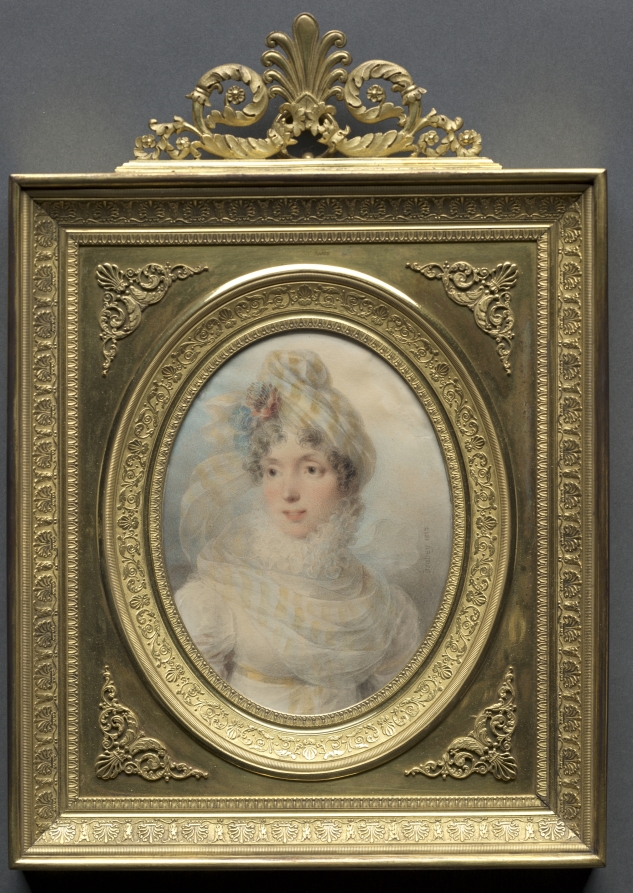
Light-looking clothing and everyday life
Even when familiar images of neoclassical dress emphasize pale, flexible fabric, actual outfits varied. Ask what was worn over a dress with a high waistline, and in which season or setting. Comparing an indoor portrait with outdoor clothing without accounting for context can distort interpretation. Outer layers alter the dress's outline and respond to warmth and movement. After understanding the representative garment, examine the other layers around it to connect fashion imagery with practical clothing.
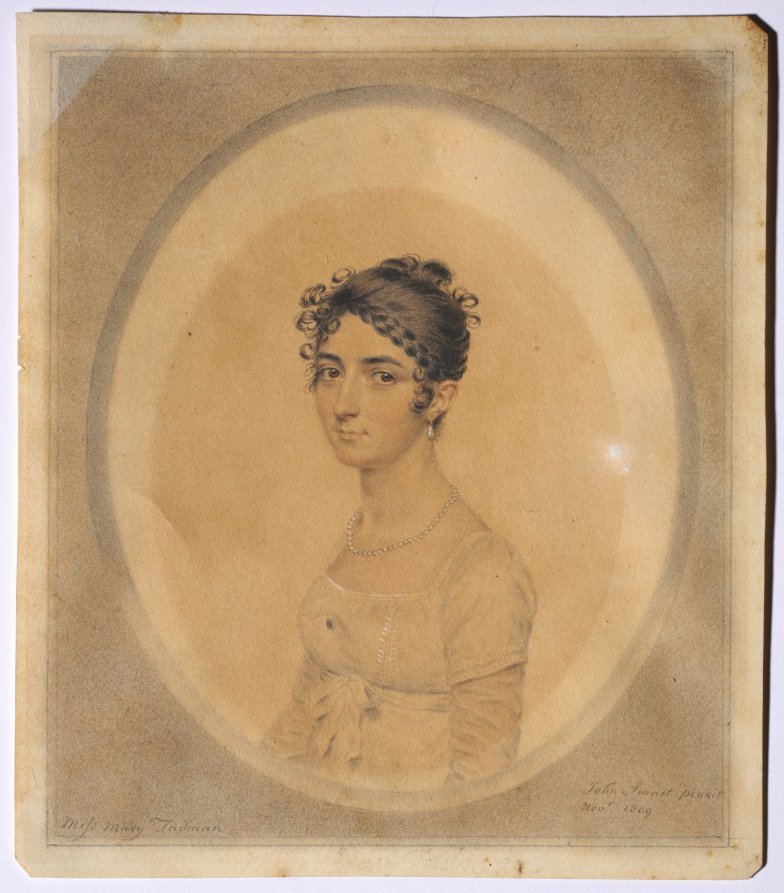
Connecting revolution and fashion
Political and social change provides important context for neoclassical dress. Saying that revolution immediately simplified all clothing, however, erases differences in timing. Portraits featuring Empire dress still require dates, regional context and information about the wearer. Older features may remain while new proportions spread. Set political and clothing chronologies alongside each other and ask what the actual garments demonstrate. Social events explain context; they do not substitute for evidence of an individual garment's form.
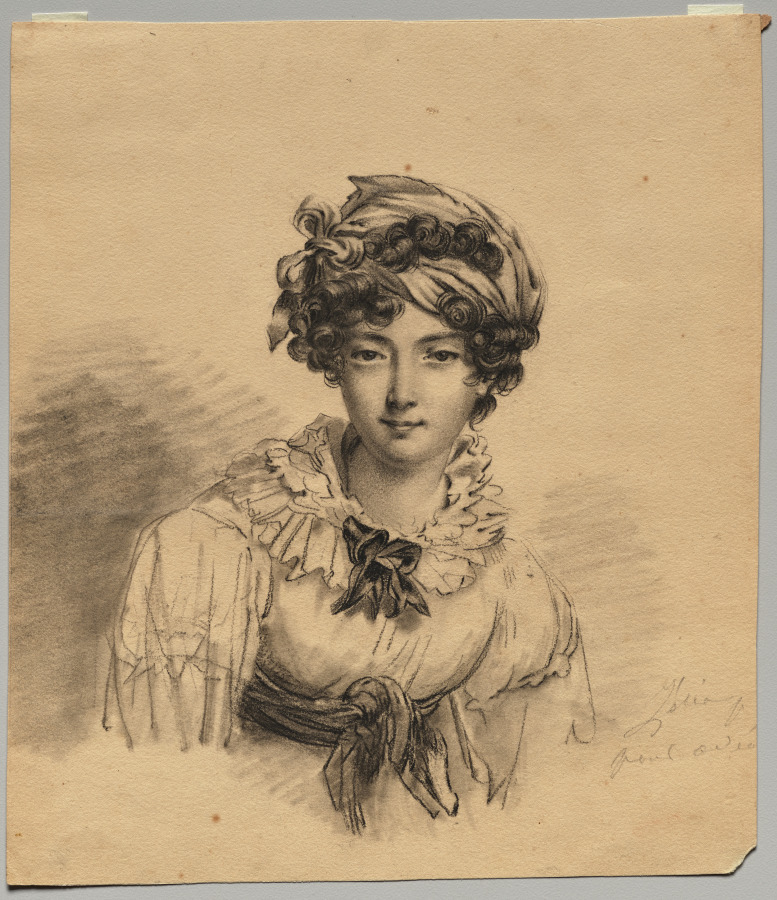
Comparing paintings and surviving garments
A portrait may emphasize the high waistline of neoclassical dress through the sitter's pose. In a surviving garment, examine waist-area seams, gathering points and sleeve construction. Comparing painted vertical lines with actual cutting shows where representation and making meet. A museum mannequin does not perfectly reproduce historical wear either. Camera angle and support affect appearance. Paying attention to the form of the evidence allows a richer reading of the same dress.

Continuing into the nineteenth century
After studying Empire dress and the high waistline of neoclassical dress, compare the broad skirts of the mid-nineteenth century. Separate waist position from the location of volume. Fashion does not move in one direction from simplicity to richness; different structures, materials and ways of life produce different proportions. Treat each form as a set of choices rather than an obsolete stage. Compare a photograph cropped to the dress with a full outfit: outerwear and accessories reveal contemporary living conditions even when the gown refers to antiquity. Reading proportion alongside warmth and movement connects artistic taste with daily life.