Models · 072
Tyson Beckford
Life & Career
- Born
- 1970-12-19
- Nationality
- American
Early life
Tyson Beckford was born in the Bronx in 1970 and has Jamaican family roots. He grew up as New York street culture and popular music increasingly shaped fashion imagery. His entry into modeling as an adult illustrates how young men outside established fashion circles could become central advertising figures.[1][2]
Entering the profession
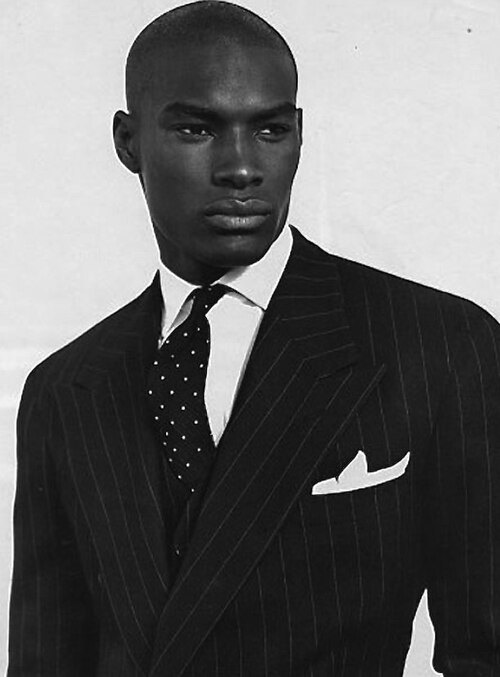
He entered modeling in the early 1990s, working in magazines and attending auditions. Accounts differ about the precise discovery story, but his connection with Ralph Lauren in 1993 is a clear turning point. Becoming a face of Polo Sport brought international advertising exposure and turned an initial opportunity into a sustained professional relationship.[2][3][6]
The breakthrough
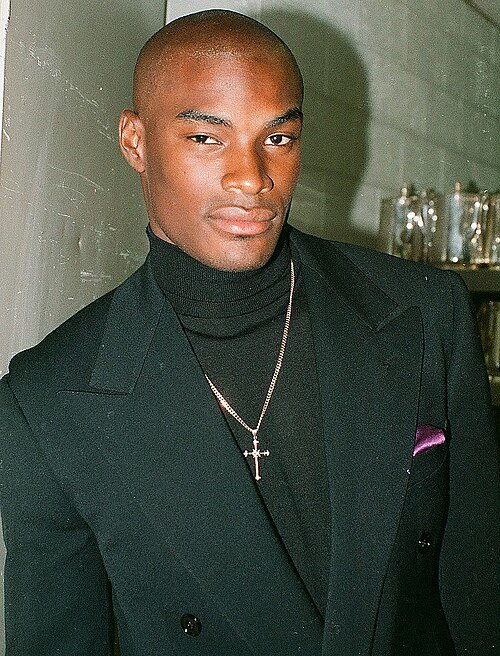
Polo Sport combined athleticism with a polished lifestyle image. His sustained visibility as a Black male model for a major American brand was significant, without implying that racial barriers had disappeared. His later discussions of race and opportunity help distinguish individual prominence from equality across the industry.[2][4]
Defining work
Music videos and film extended his audience. Toni Braxton’s 1996 “Un-Break My Heart” video introduced him beyond fashion readership, while Zoolander connected him with screen representations of modeling. Skills developed in still photography moved into performance, helping establish recognition under his own name.[6]
Expanding the practice
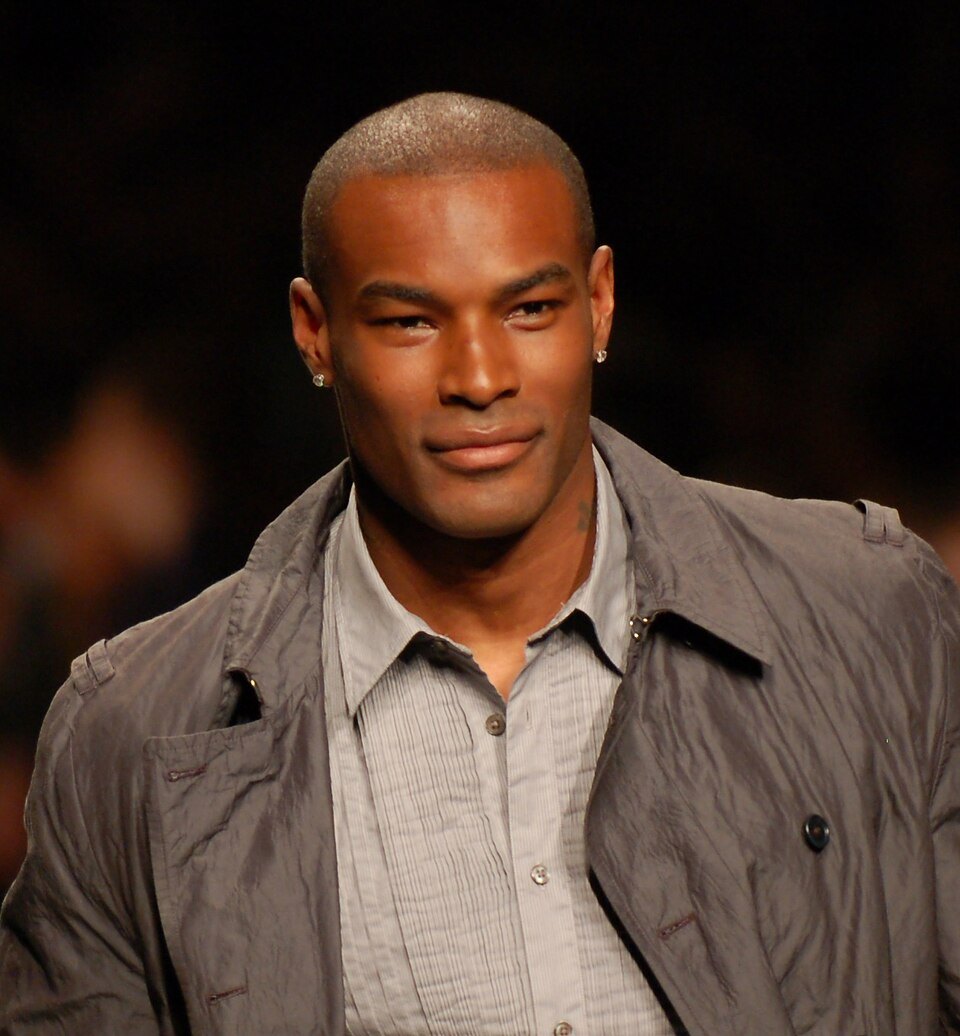
As a host of Make Me a Supermodel, he also became an experienced practitioner explaining and evaluating the profession. Television made some of the work behind fashion imagery visible to viewers. Hosting and advertising are distinct achievements, but together demonstrate how he used both professional experience and public recognition.[1][6]
Latest documented work
His 2026 credits include closing Ralph Lauren’s menswear show in January and Ugg’s Born to Feel campaign in September. Burberry and magazine work also appear in 2025. These records show both a return to longstanding brand relationships and work reaching newer audiences, documented before the September 28, 2026 cutoff.[5]
A place in fashion history
His legacy places a Black male model’s name at the center of global commercial fashion. Advertising, music videos, television, and later returns all contributed to that recognition. The career shows how a brand representative can become a cultural figure with an independent history, illuminating both representation and longevity in male modeling.[3][5]