Models · 073
Marcus Schenkenberg
Life & Career
- Nationality
- Swedish
Early life
Raised in Stockholm with Dutch family roots, Marcus Schenkenberg became a defining face of 1990s menswear. His international movement preceded professional fame. Travel and encounters in a new environment helped redirect his life toward modeling, a beginning distinct from the celebrity image that followed.[1][6]
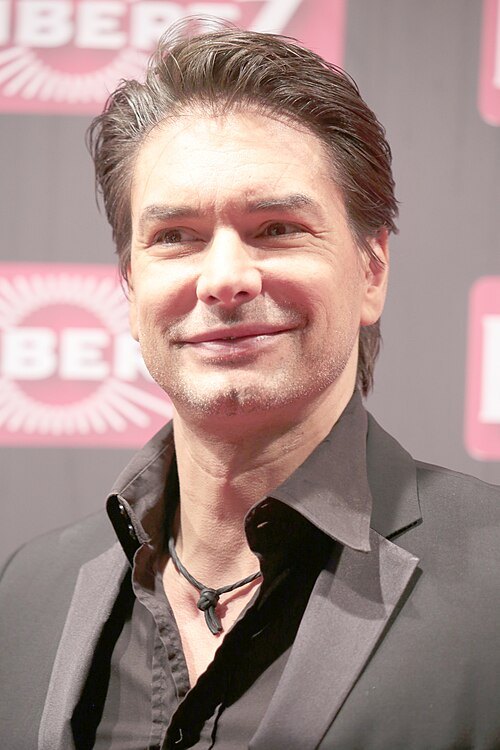
Entering the profession
He is known for being spotted by photographer Barry King while roller-skating on Venice Beach in 1989. Professional development followed that encounter. He later recalled discomfort on early shoots and increasing ease with experience, emphasizing the development of confidence and expression rather than appearance alone.[1][2]
The breakthrough
Bruce Weber’s 1991 Calvin Klein work was a major breakthrough; Schenkenberg later singled out the extensive Vanity Fair advertising. The imagery positioned the male body centrally rather than as anonymous support. The collaboration contributed to the public recognition of a male-supermodel category.[2][3]
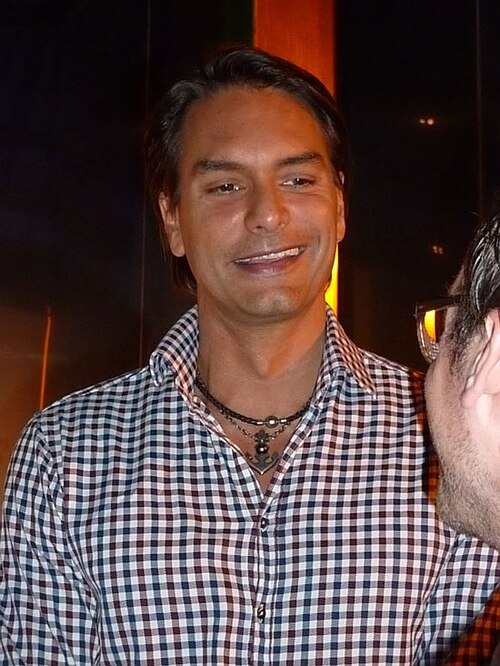
Defining work
His Versace work included the fall/winter 1993 campaign with Stephanie Seymour photographed by Richard Avedon, which he remembered especially fondly. Versace’s theatrical imagery differed from Calvin Klein’s physical naturalism. Adapting to distinct photographers and brand languages demonstrates the craft beneath a recognizable face.[2][3]
Expanding the practice
Books, film, music, and television expanded his work. The 1997 book New Rules collected images under his own name, while later German television appearances and namesake products extended his visibility. These activities differ from runway work but show recognition moving into publishing, entertainment, and consumer products.[1][6]
Latest documented work
Models.com records 2010s editorials, namesake fragrance imagery, and a 2019 cover. Gala published an interview in March 2026. A recent interview is distinct from a new fashion campaign: it confirms continued public visibility without establishing unannounced contracts or a retirement status.[4][5]
A place in fashion history
He represents the period when male supermodels became recognizable public figures. Collaborations with female stars, designers, and photographers place his images within their working context. Advertising production, distribution, and audiences remembering a name all created that fame, documenting a shift toward male models as independent stars.[2][4][6]