Zuhair Murad: The Work Behind the Surface
The Work Behind the Surface
ÉPOPLI ·
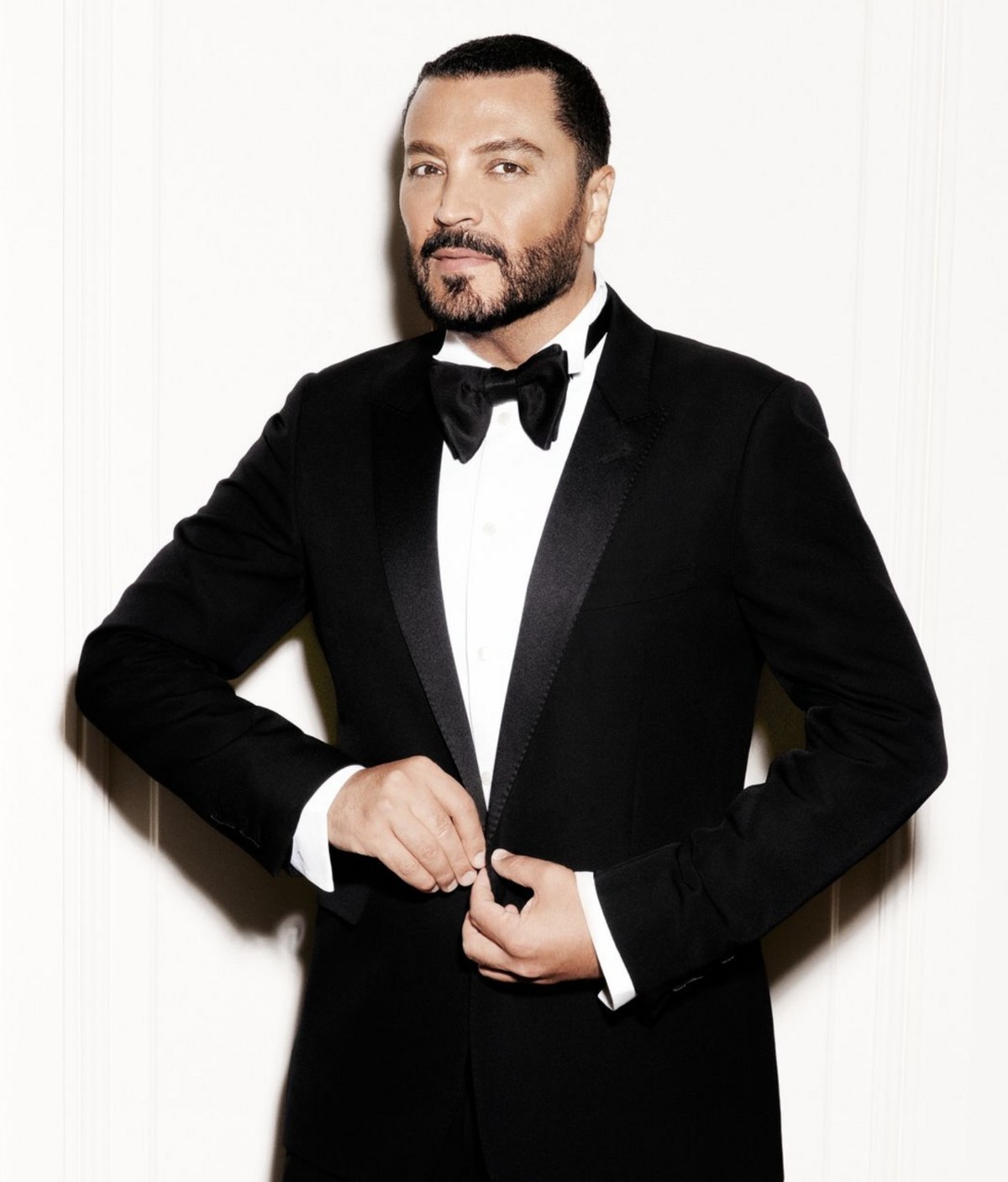
Looking closely at a golden surface
The Spring 2020 presentation provides an entry into Zuhair Murad history. Small coloured elements and embroidery combine into a luminous field: from a distance it appears continuous, while closer looking reveals repetition. Ancient Egypt supplied references, not an archaeological reconstruction.
Historical names in a collection’s explanation do not make its materials or techniques ancient. The useful question joins the finished surface to the organization that makes it and sustains that work.
From Ras Baalbek to Beirut and Paris
Born in Ras Baalbek, Lebanon, in 1971, he recalls the country’s nature and women as formative visual experiences. Zuhair Murad history reaches a company in 1997, a Paris maison on Rue François1er in 2007 and another Paris office in 2015.
The expansion connected a Beirut-based practice with international clients. Individual commissions and seasonal presentations share a language but work to different schedules: one serves a particular body and occasion, the other proposes future possibilities.
Two pieces and a historical reference
Kerry Washington’s cropped top and pencil skirt from the 2020 collection offer a second view of Zuhair Murad history. Related decoration continues across two pieces, but the interval at the waist interrupts the surface of a single long dress.
The combination of references to Egypt with a modern two-piece construction makes the temporal distance visible. Placement and proportion deserve attention without assuming that an ancient symbol retains an identical meaning in contemporary occasionwear.

Losing the place of production
The August 2020 Beirut explosion damaged the headquarters and working facilities. In a contemporary interview, he confirmed that his staff were safe. Zuhair Murad history at this point concerns labour and lost records, not a romantic backdrop to fashion.
Temporary working arrangements and relocation were part of continuing production. The atelier was an infrastructure of skill and livelihood. Rebuilding involved colleagues and supporters as well as its founder, and later presentations do not erase what was lost.
A catsuit in motion,2015
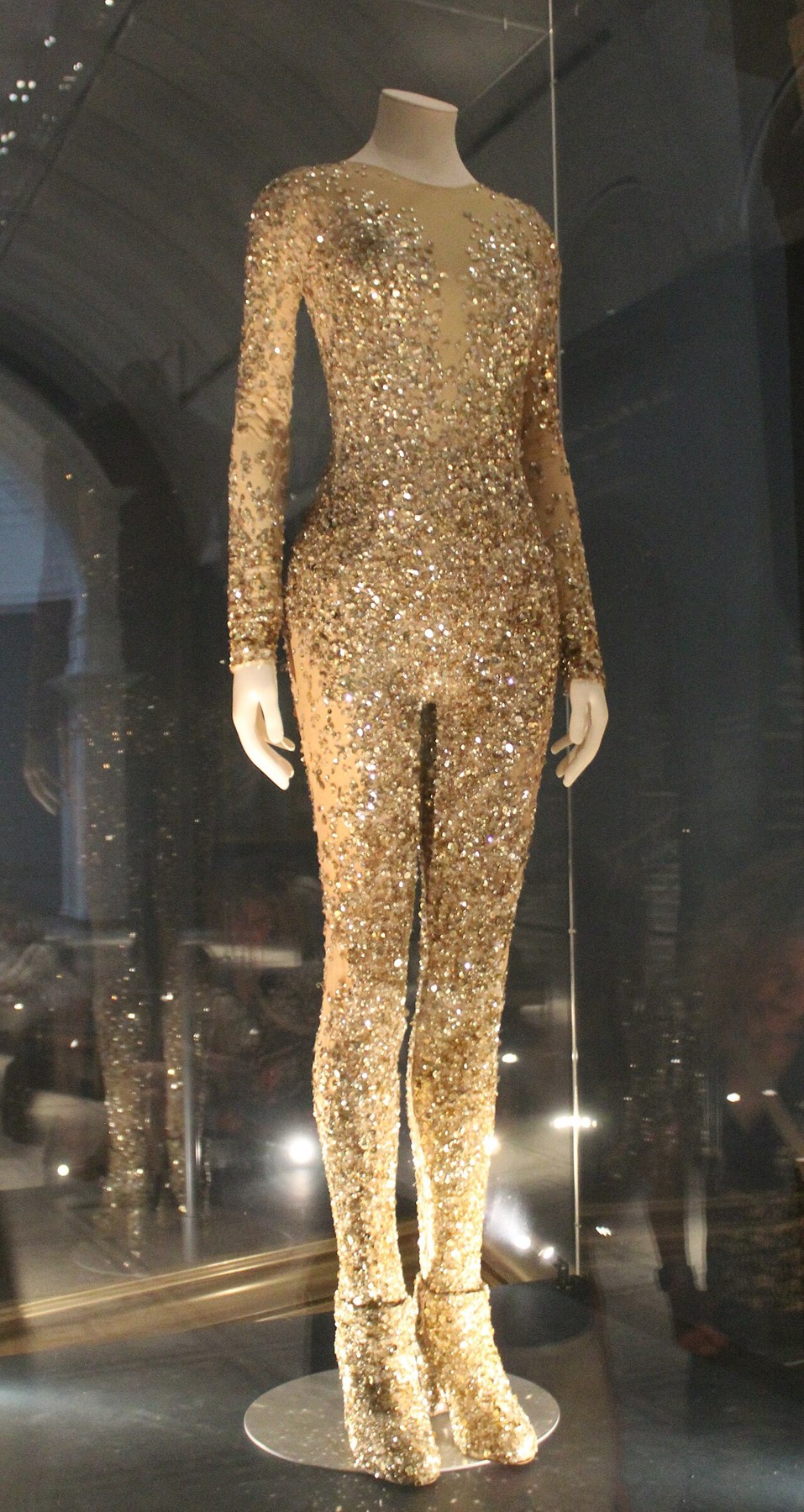
The catsuit worn by Taylor Swift for Out of the Woods on the 1989 World Tour adds another form to Zuhair Murad history. Museum documentation identifies nylon mesh, sequins and acrylic. Joining torso and legs, it makes the performer’s movement central instead of trailing a long skirt.
The boots were by Stuart Weitzman, a distinct contribution to the complete look. Reflective elements register under stage lighting, while the mesh connects them. A concert costume participates in choreography for an extended duration, unlike a brief red-carpet pose.
Dark surfaces and butterflies,Autumn 2026
Love and Dominion, presented at the Collège des Bernardins, brings black lace, feathers and nocturnal flowers into Zuhair Murad history. Butterfly imagery meets dark surfaces, and expansive dresses contrast with forms following the body.
The official credits identify music by Sebastien Perrin and the presentation teams. A 2026 atelier visit documents artisans working together: the physical time of embroidery becomes a short public sequence. These are verified activities as of October 2026.
From decoration to people
Zuhair Murad history connects luminous clothes with the organization that sustains them. Small elements compose a larger surface, but that visual analogy must not erase the distinct work of cutters, makers, models and presentation teams.
Begin with contour, inspect the units of the surface and then consult themes and credits. Historical references, separated garments and presentations after reconstruction belong to different circumstances. Recording those differences gives the career more substance than reputation alone.
Timeline
- 1971 — Born in Ras Baalbek
- 1997 — Company founding supported by a later direct interview
- 2020 — Egypt-referencing collection; Beirut headquarters damaged
- 2026 — Spring and Autumn presentations documented officially
Sources
- Zuhair Murad — Official Spring2020 film
- Arab News — Spring2020 report
- Bespoke —2020 direct interview
- British Vogue — Beirut disaster interview
- Red Carpet Fashion Awards — Kerry Washington ensemble
- Vogue Arabia — Inside the Paris atelier
- FHCM — SpringSummer2026
- Zuhair Murad — Official Fall2026 film
- Vogue — Fall2026 ready-to-wear
- The National — Handwork direct interview
- V&A — Taylor Swift Songbook
- Wikimedia — Museum catsuit record
- Vogue Arabia — Autumn2026 collection
- A&E — Direct interview
