Marc Jacobs — Changing the Rules of Taste
From grunge to artist-designed bags: changing how familiar signs are read.
ÉPOPLI ·

Questioning the rules of good taste
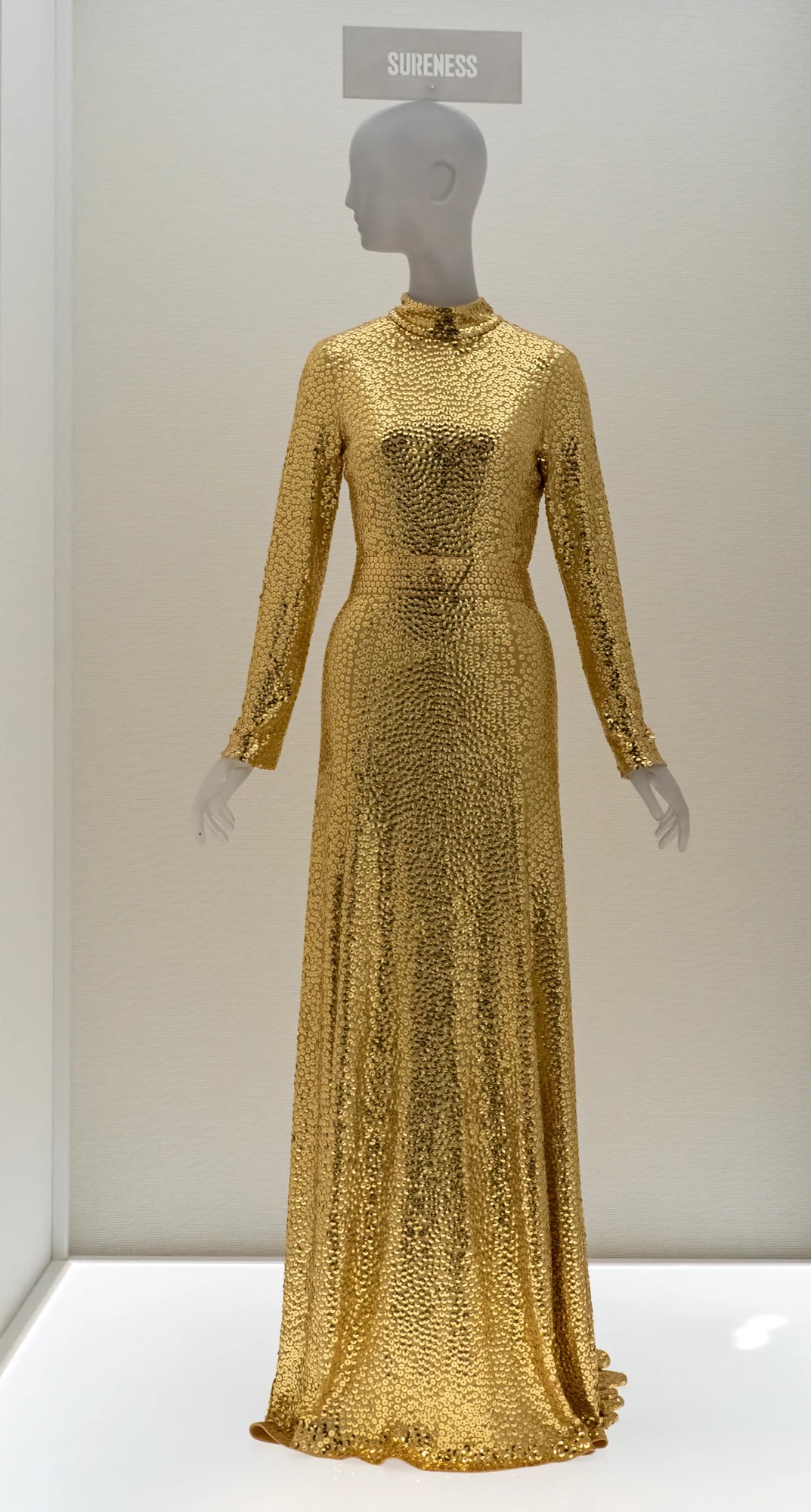
Marc Jacobs Louis Vuitton history begins here with a different label: the Perry Ellis spring/summer 1993 collection, presented in 1992. Its grunge associations placed layered, apparently casual dressing inside designer ready-to-wear. The issue was not simply whether street clothing had been copied.
What makes an expensive garment desirable when it appears deliberately unpolished? The collection’s controversy and later reassessment show how judgments change. Presentation year and selling season also describe different dates.
Keeping them separate prevents a later reissue from being mistaken for an original garment.
New York and a working foundation
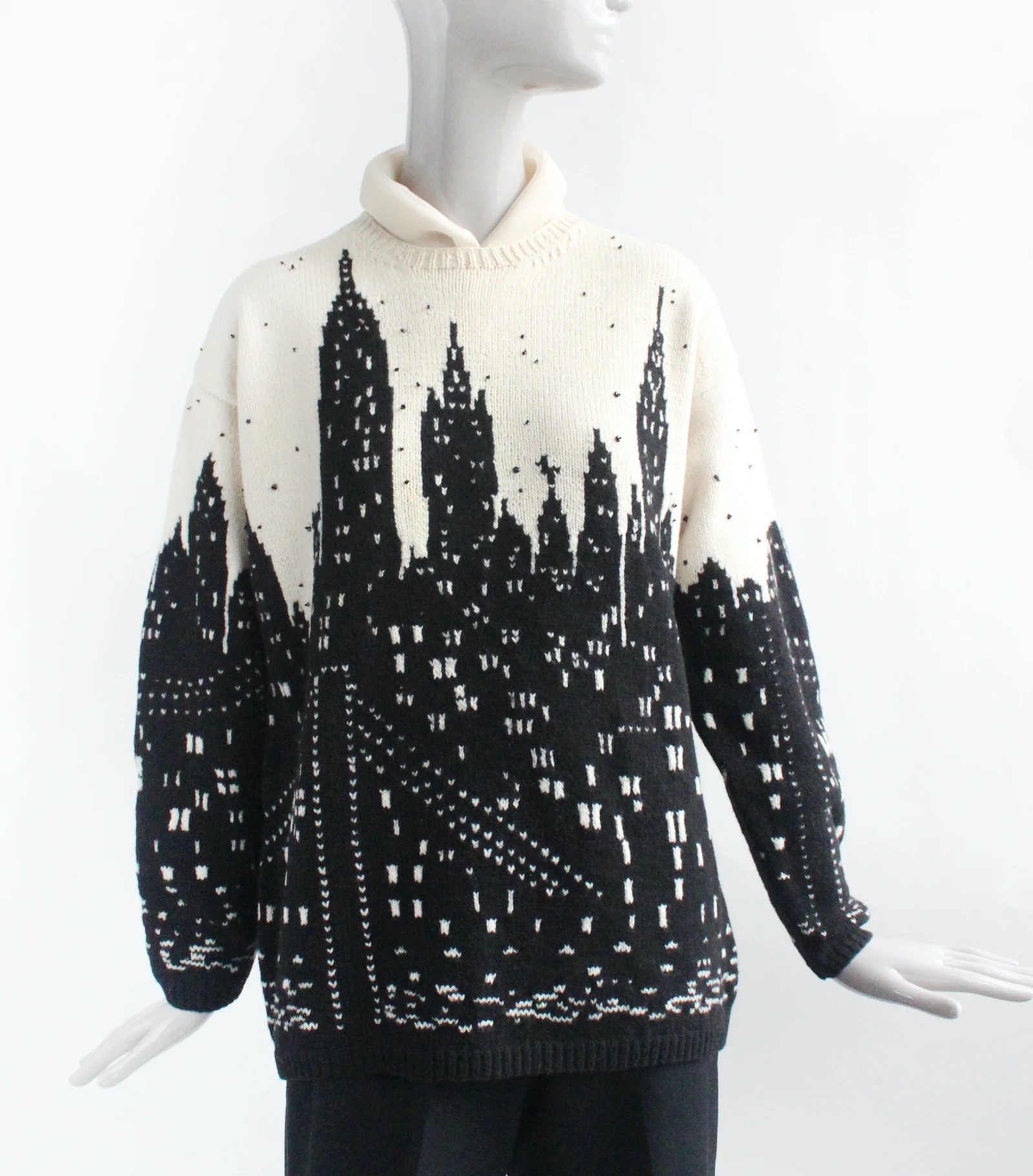
Marc Jacobs Louis Vuitton history follows an education and working life rooted in New York. Born there in 1963, he graduated from Parsons in 1984. His interview recollections include teenage work at Charivari and knitting learned from his grandmother.
Those experiences provide context, not a complete psychological explanation of his designs. His long relationship with Robert Duffy also connected creative work to the organization needed to make and sell it. Separate appointments and business ventures should remain distinct even when they share a designer’s name.
Where official timelines mix award or launch dates, this account uses the clearer educational and presentation records.

A departure and a new institution
Marc Jacobs Louis Vuitton history is not an uninterrupted sequence of triumphs. After the grunge collection he left Perry Ellis and continued work under his own name. The controversy and dismissal belong to the record, but company decisions should not be reduced to the effect of one garment.
Appointed Louis Vuitton artistic director in 1997, he brought clothing into a house with an established identity in travel and leather goods. Clothes and bags sit differently on the body and serve different routines. A runway also added a new rhythm through which the public encountered the house.
Writing across a familiar surface
Marc Jacobs Louis Vuitton history takes a material form in the 2001 project with Stephen Sprouse. Handwritten-looking lettering crossed the regular monogram pattern. A monogram combines identifying letters; here it also operates as a repeated decorative system.
Irregular writing did not erase the ground beneath it. The encounter between two visible orders made the change legible. This collaboration should preserve Sprouse’s authorship rather than assign every mark to the fashion designer.
A familiar bag could acquire a different reading without requiring every aspect of its construction to be replaced.
Colour changes the rhythm
Marc Jacobs Louis Vuitton history offers another comparison in the 2003 work with Takashi Murakami. The multicoloured monogram retained recognizable signs while altering their effect. Changing colour, background and arrangement is different from inventing an entirely new symbol.
Recognition and surprise can happen together. A collaboration between an artist and a fashion house does not make the conditions of viewing art and purchasing a bag identical. Later re-editions show continuing interest, but they are not necessarily objects manufactured in 2003.
Design origin, production date and subsequent alteration must be distinguished when reading a particular item.
After 2013, a separate body of work
Marc Jacobs Louis Vuitton history reaches an institutional boundary when he left the house in 2013. Later collections under his own name are not Louis Vuitton designs, even where interests continue. Sofia Coppola’s documentary provides another view of a designer and team preparing a collection.
It cannot represent every production stage, but it helps make selection and revision visible. Comparing earlier grunge with later changes of scale is more useful than treating them as a fixed set of decorative signatures. Ask what each collection does to the expectations of neatness or natural proportion in its own moment.

The current record and a way of looking
Marc Jacobs Louis Vuitton history should distinguish former employment from current activity. His own label’s show on 29 June 2026 is recorded as spring/summer 2027, with stylist Alastair McKimm credited. Comparing new and older work means looking beyond repeated colours to scale, layering and the weight created by footwear.
The value of collaboration can likewise be examined through what actually changes in a surface or structure. His career asks how standards of taste move between ordinary clothes and luxury products. That question reaches beyond a popular bag or a single controversy to the changing work of designers, artists and production teams.
Timeline
- 1963 — Born in New York
- 1984 — Graduates from Parsons
- 1992 — Presents Perry Ellis spring/summer 1993
- 1997 — Becomes Louis Vuitton artistic director
- 2001 — Works with Stephen Sprouse
- 2003 — Murakami collection released
- 2013 — Leaves Louis Vuitton
- 2026 — Presents spring/summer 2027
Sources
- The Met — Perry Ellis dress, spring/summer 1993
- Vogue — Perry Ellis Spring 1993
- Marc Jacobs — About Marc
- SSENSE — All That Heaven Allows, interview
- Louis Vuitton — House history
- British Vogue — Stephen Sprouse collaboration, twenty years later
- LVMH — Louis Vuitton × Murakami re-edition
- Associated Press — Marc, by Sofia
- Models.com — Marc Jacobs S/S 27, credits
- Vogue — Marc Jacobs Spring 2027