Lisa Folawiyo: A New Surface for Familiar Prints
A New Surface for Familiar Prints
ÉPOPLI ·
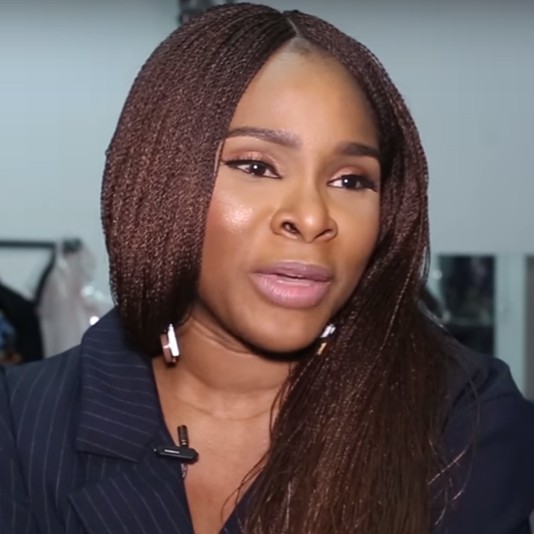
Sporting rhythm, patient handwork
Lisa Folawiyo history can begin with Collection 1 2025, presented in Lagos in November 2024. A green, white and black sequinned dress opened the show, linking a sporty impression with a reflective surface. Beaded bags and small football-like ornaments extended the idea.
The question is how familiar forms and fabrics acquire another value through handwork. An energetic impression can coexist with slow, detailed making. Rather than equating luxury with a heavy silhouette, the design keeps visual lightness while offering more to discover close up.
A Lagos founder leaves law
Lisa Folawiyo history begins with Lisa Idowu, born and raised in Lagos; the NGV exhibition checklist records 1976 as her birth year. She studied law at the University of Lagos and practised for about a year before deciding it did not fulfil her creative ambitions, as she explained in interviews.
The label began at home in 2005 as Jewel by Lisa. A friend joined fabric-buying trips, and a seamstress known to her mother helped develop early patterns. Selecting materials and communicating shapes mattered before there was a larger production structure. The later namesake brand grew from that practical collaboration.
Giving print another surface
Lisa Folawiyo history is closely connected to ankara, a multicoloured printed cotton associated with West African dress and transnational production histories. Adding beads sets raised, light-catching elements against a flat pattern without erasing its colour. The distant print and the close-up material offer different readings.
In a 2017 interview she described developing exclusive fabrics after encountering imitation. The task expanded from selecting existing cloth to planning the pattern itself. Print, cut and embellishment could then be considered together, placing visual emphasis before the garment was finished.
Irin and Jossa in 2021
Lisa Folawiyo history survives in specific museum records including spring 2021’s Irin dress and Jossa top and trousers. Irin combines àdìrẹ cotton with plastic beads. Resist-dyed cloth establishes colour through selective resistance to dye; attached elements then add a separate layer.
Jossa uses printed cotton, silk and glass beads in a two-piece format. The waist divides the surface differently from a dress, and each component can enter other combinations. Comparing the two reveals choices between dye and print, different decorative materials, and a single garment versus separates within the same season.
A robe around a closer silhouette
Lisa Folawiyo history includes a third 2021 example, the Classic robe with leggings and bra top. The V&A illustrates a broad orange, yellow and pink patterned robe; museum records list printed cotton, silk, cotton-spandex and glass beads across the ensemble. A generous outer layer surrounds pieces closer to the body.
Opening or closing the robe changes the balance between patterned plane and bodily line. Decorative outerwear and stretch pieces share one outfit rather than separating ceremony from comfort. Alongside Irin and Jossa, it shows a common surface language organised into three different wardrobe structures.
Games, stripes and the production team
Lisa Folawiyo history continues in the 2025 presentation’s rainbow stripes, sometimes extended into fringe beside black-and-white areas. A flat line becomes a moving edge. The designer also identified the Ayò board game as a source for some patterns, connecting sport and play with softer movement.
Her post-show interview described repeated sampling and extensive communication with artisans, including for accessories. A bag or small ornament requires decisions about scale and proportion alongside the clothes. The collaborative making that began with a seamstress now operates within a larger team.
Maintaining an independent standard
Lisa Folawiyo history remains active in July 2026’s direct interview, which identifies her as chief executive and creative director of Lisa Folawiyo Studio. She discussed the difficulties of international expansion when external expectations conflicted with her production methods, and the importance of her team.
Irin’s dyed ground, Jossa’s separates, the Classic robe’s broad plane and sporting imagery offer different ways to transform familiar cloth. Across them, raised surfaces and changing proportions make recognisable materials worth looking at again. The Lagos market remains a meaningful starting point for that practice.
Timeline
- 1976 — Birth year recorded by NGV.
- 2005 — Launches Jewel by Lisa.
- 2021 — Irin, Jossa and Classic ensembles.
- 2024 — Presents Collection1 2025 in November.
- 2026 — July interview confirms continuing leadership as CEO and creative director.
Sources
- Marie Claire Nigeria: Collection1 2025, backstage and interview
- Punch: Lisa Folawiyo direct interview, July2026
- Punch: Jewel by Lisa direct interview, 2017
- NGV: Africa Fashion object checklist (PDF)
- V&A: Cloth of a continent, Irin and Classic robe
- Condé Nast Traveler: Lagos-born designer direct podcast