Giorgio Armani: Tailoring for Movement
Soft jackets, screen wardrobes and couture reconsider the balance of formal dress.
ÉPOPLI ·
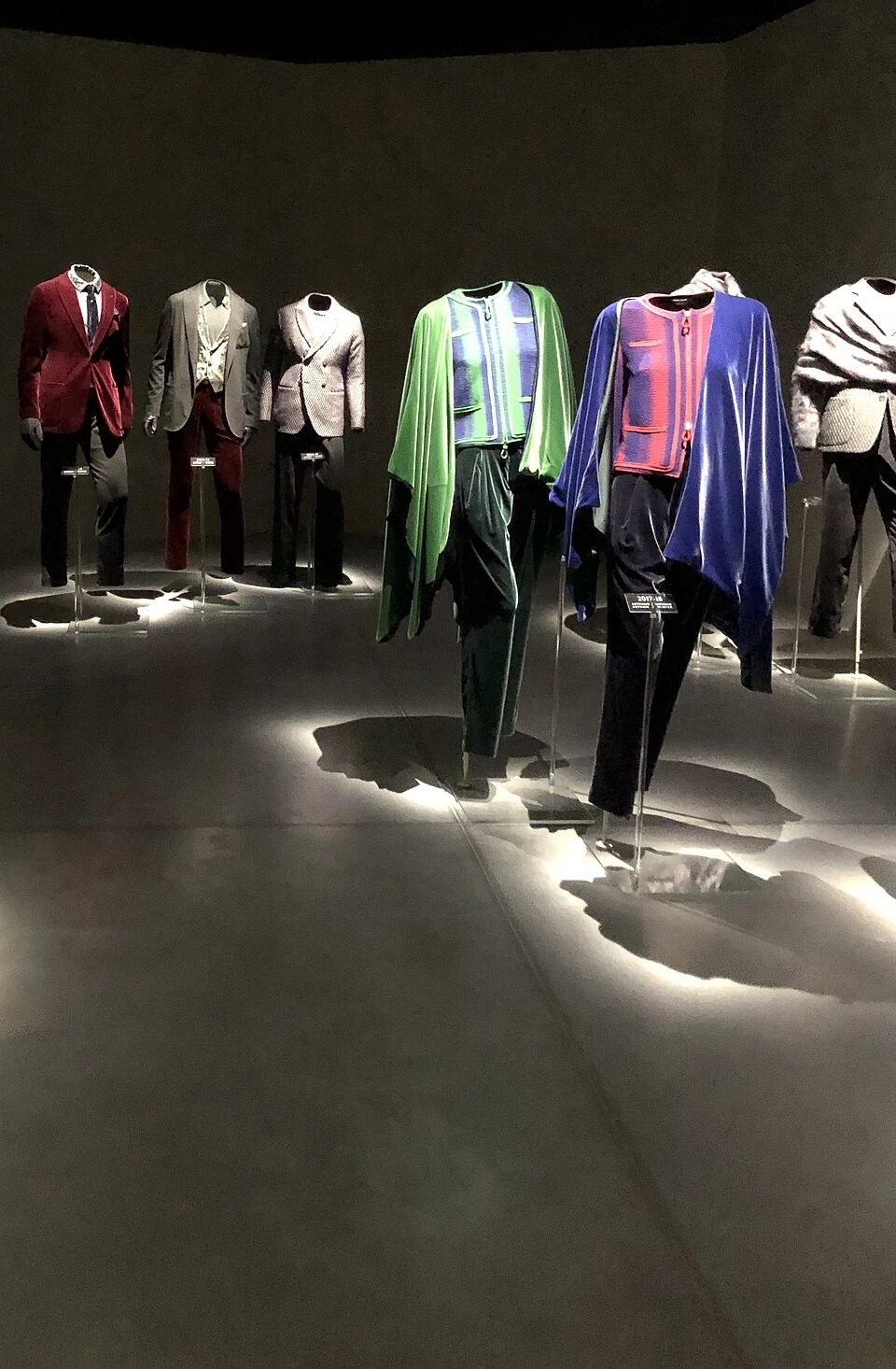
A jacket that follows movement
Giorgio Armani Armani history can begin with reducing the rigidity of a jacket. An unstructured jacket does not have no structure; it reconsiders support, weight and the distance between garment and body. Apparent ease still requires exact cutting.
Fabric fall, fastening and proportion become especially important when heavy support recedes. Formality is not abandoned but reorganised through trousers, texture and quiet colour relationships. An unstructured jacket should therefore be assessed in movement as well as on a standing mannequin.
Sitting and walking reveal information that a polished front view cannot supply.
From medicine to retail and production
Born in Piacenza in 1934, he studied medicine before working in several roles at Milan’s La Rinascente department store and later designing for Nino Cerruti. Giorgio Armani Armani history includes retail and industrial experience. A store reveals how customers select clothes; a ready-to-wear company shows how a drawing becomes a repeatable product.
Freelance work preceded the company he founded with Sergio Galeotti in 1975. Galeotti’s business contribution matters to the practical conditions of independence. There is no need to invent a direct psychological path from childhood to soft tailoring.
The documented sequence of education and employment already explains opportunities to acquire knowledge.
A wardrobe on screen in 1980
Richard Gere’s clothes in American Gigolo helped bring the label international attention. Giorgio Armani Armani history here intersects with cinema. Soft tailoring and subdued colour gain meaning as a character chooses and wears clothes, rather than simply poses in a complete suit.
Movement lets viewers imagine weight and touch without handling fabric. Yet an actor’s appearance is not proof of every practical quality: lighting, filming and characterisation contribute to the image. The fictional life should not be mistaken for every customer’s life.
The film made the act of selecting a wardrobe part of the public understanding of the clothes.
Tailoring enters another wardrobe
The archive’s late-1970s women’s imagery records jackets, wider trousers and moving bodies. Giorgio Armani Armani history did not simply shrink menswear for women. Different proportions and materials offered ways of dressing for daily and professional settings.
A women’s suit did not automatically secure equality, but could broaden available forms of authority. Photographers including Aldo Fallai communicated these clothes through posture and atmosphere. Even a restrained palette contains differences of texture and light.
Rather than assign softness permanently to women and rigidity to men, the garments invite attention to how established distinctions were adjusted.

An evening surface in 1990
A 1990 evening trouser suit discussed by the V&A combines black-and-white printed silk with clear sequins. Giorgio Armani Armani history does not equate restraint with an absolute absence of decoration. Reflective pieces alter a surface as it moves without requiring a wider palette.
Jacket and trousers also shift from daytime associations into evening wear. The line seen from a distance and the material perceived close up offer different experiences. A women’s suit can therefore support more than one social occasion.
The coexistence of an easy outline and an elaborate surface complicates any single description of the work as minimal.

Couture and the contrast of textures
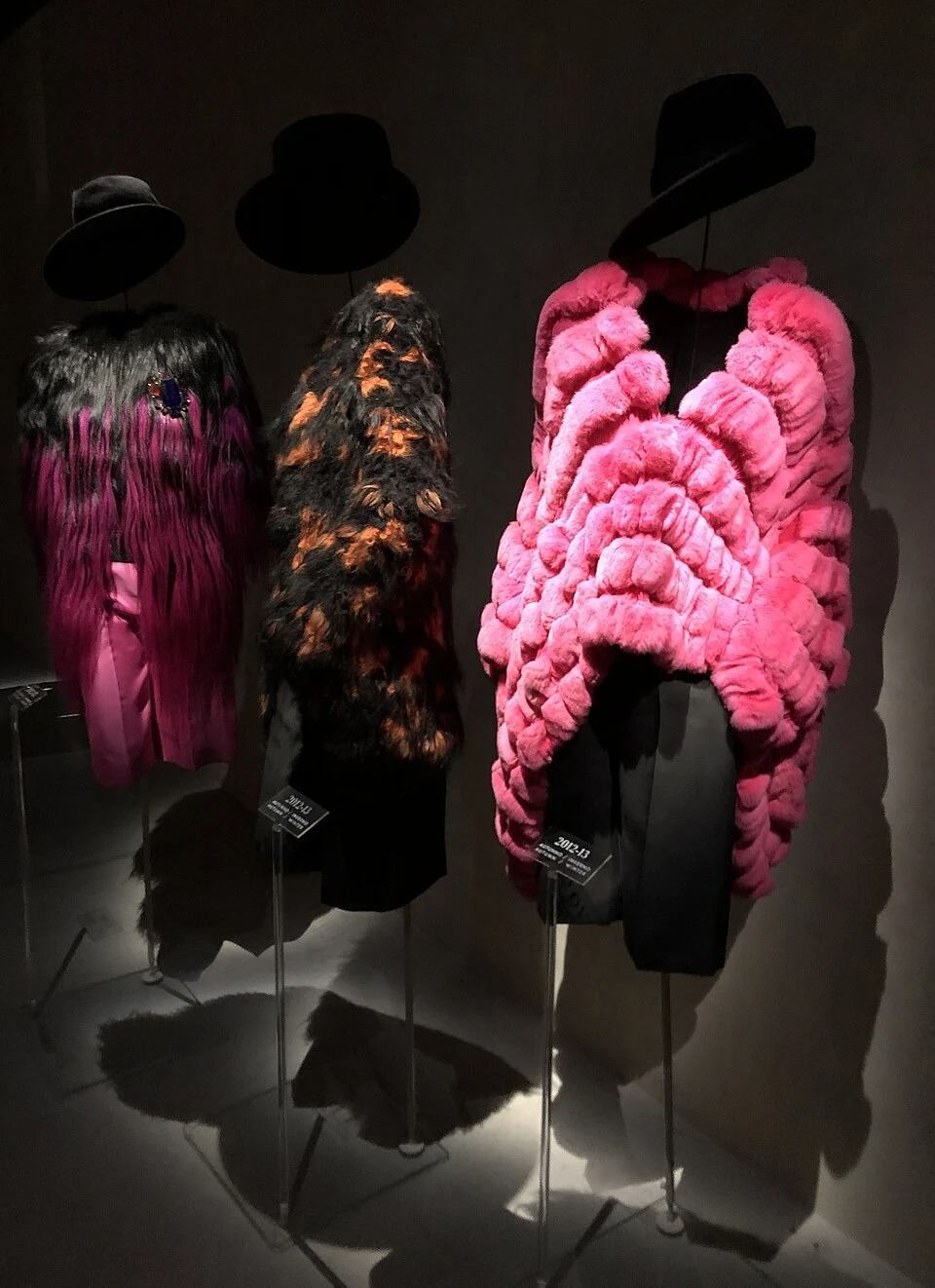
Armani Privé began in Paris in 2005, providing a different production setting from ready-to-wear. Giorgio Armani Armani history re-examined established lines through couture. A preserved autumn–winter 2012 ensemble juxtaposes black silk textures with dark-blue crystal decoration.
Depth can emerge from changing reflection rather than multiplying colours. Armani Privé is usefully understood through what can be adjusted in detail, not simply through increased ornament. Workshop labour and time shape the density of a surface.
Seen beside an unstructured jacket, this evening work suggests a continuing interest in reconciling ease of line with carefully chosen materials.
The founder’s work and its continuation
After Galeotti’s death in 1985, he continued developing both design and the business. Giorgio Armani Armani history crosses another boundary with his death on 4 September 2025, aged 91. The surviving brand is not evidence that he still directs new collections.
A posthumous presentation may contain work made before his death or work by the succeeding team; attribution requires checking. Exhibitions and the digital archive preserve clothes while also representing the company’s own account. Comparing Armani Privé, ready-to-wear and screen dressing reveals adjustment across a long career.
His influence lies in proposing another balance between bodily movement and the formality of tailored dress.
Timeline
- 1934 — Born in Piacenza
- 1975 — Company founded with Galeotti
- 1980 — American Gigolo wardrobe
- 2005 — Privé debut
- 2025 — Died on 4 September
Sources
- V&A — Five Giorgio Armani looks
- Armani / Archivio — Historical collections
- Treccani — Giorgio Armani
- The Atlantic — Armani and Hollywood
- Armani/Silos — Privé 2005–2025
- Associated Press / CityNews — Final Emporio Armani collection
- Armani / Archivio — About