Adebayo Oke-Lawal: Orange Culture and Expression
Orange Culture and Expression
ÉPOPLI ·
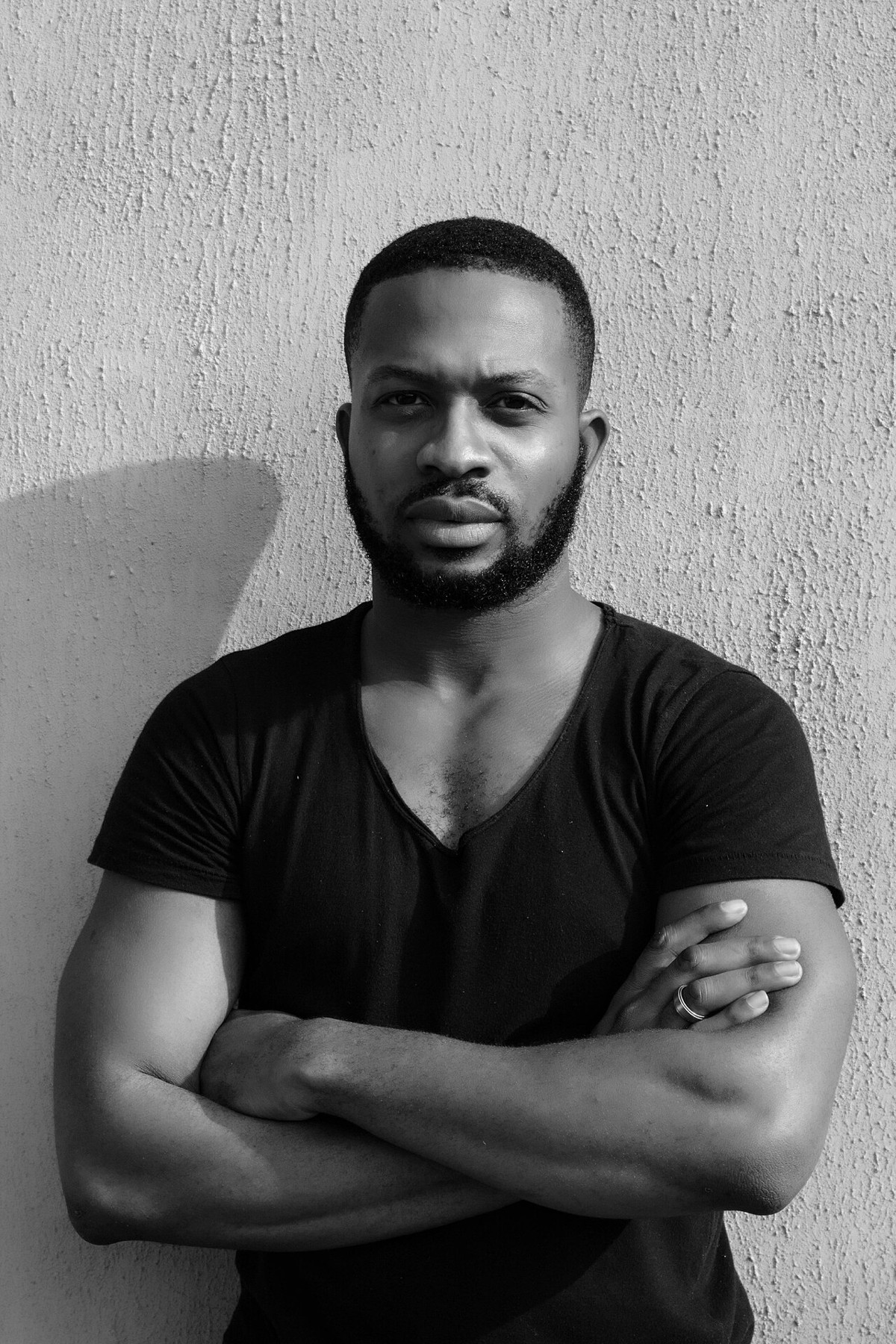
Clothing that asks to be heard
Adebayo Oke-Lawal Orange Culture history can begin with the 2016 S.E.N.S.E.S ensemble: the Hear Me jumper and ENU skirt, named for the Yorùbá word for mouth. Cotton and acrylic make an everyday combination that connects speaking, listening and dress.
Now recorded in the V&A collection, it questions who is permitted to wear particular garments. The relationship between its pieces matters as much as their names: ordinary clothing becomes a means of widening expression.
From a classroom story to a label
Adebayo Oke-Lawal Orange Culture history concerns a Nigerian designer born in 1990. He has described pressure at his all-boys school to speak and behave in a conventionally masculine way. A story he wrote about an orange boy eventually supplied the label’s name.
He studied finance while learning fashion through internships, videos and work around publications and backstage production. The label reached its public launch in Lagos in 2011. Limited access to formal fashion education later informed his interest in sharing knowledge with younger designers and tailors.
Transparency and woven structure
Adebayo Oke-Lawal Orange Culture history includes Shadow Man for spring/summer 2020. The museum-recorded shirt and trousers use polyester organza and jacquard. Organza offers sheerness, while jacquard produces pattern through its weave.
Contrasting structures change how clothing mediates between the body and the viewer. A familiar shirt-and-trouser combination can therefore challenge expectations through material choices rather than an added slogan.
Flower Boy and deliberate softness
Adebayo Oke-Lawal Orange Culture history also includes the cotton top, shorts and bag of autumn/winter 2020’s Flower Boy. This coordinated arrangement offers another alternative to the conventional suit.
For spring/summer 2021, The Faces in the Cloud referred to Nigerian performer Area Scatter. The designer described deliberately fragile-seeming fabrics set against harder elements. Softness became a way to address vulnerability and the history of self-expression, rather than a quality to eliminate.
Building capacity in Lagos
Adebayo Oke-Lawal Orange Culture history involves an ongoing commitment to local production. He has described tailors learning from experienced colleagues and responding to customer and buyer feedback, while financing and infrastructure remain practical challenges.
The Davido collaboration reached a different audience; Orange Mentorship shared business foundations with emerging designers. V&A documentation also describes local making and a garment-revamp program. These activities connect the show image to longer-term production and use.
A white letter in the 2026 collection
Adebayo Oke-Lawal Orange Culture history took a pale turn with Letter to Her, the spring 2026 collection presented in Lagos in 2025 in memory of his mother. Pleats, inflated trousers and sheer fabric supplied variation within its white palette.
Olalu Ebiti styled the show, while Yasser Claud Enin made the family-image print. These collaborations translated a personal tribute into a sequence of clothes, with differences in volume and texture carrying the emotional register.
Water, color and the continuing label
Adebayo Oke-Lawal Orange Culture history continued with Water Will Carry Us, the spring 2027 collection presented in Berlin in July 2026. Its 24 looks returned to saturated color and sheer layers. The official site checked in October 2026 identifies him as CEO of the continuing label.
Across the listening-themed ensemble, contrasting textiles, shorts and a pale memorial collection, the work expands choices rather than installing one compulsory alternative identity. Maintaining those choices through products, makers and education remains central to its practice.
Timeline
- 1990 — Born in Nigeria.
- 2011 — Public label launch in Lagos.
- 2016 — S.E.N.S.E.S collection.
- 2020 — Shadow Man and Flower Boy.
- 2025 — Presents Letter to Her.
- 2026 — Presents Water Will Carry Us in Berlin.
Sources
- NGV: Africa Fashion checklist (PDF)
- Vogue CS: direct interview, 2020
- Design Indaba: 2019 conference talk
- Fashion Bomb Daily: direct interview, 2018
- V&A: Fashion in Motion Orange Culture
- Vogue: Lagos spring 2026
- Vogue: Berlin spring 2027
- Orange Culture: official current leadership