Chanel history: Movement, suits and enduring design codes
Chanel developed from Gabrielle Chanel’s millinery business into a fashion house whose clothing and accessories connected bodily movement with recognizable design codes.
ÉPOPLI ·
- Brand
- Chanel
- Origins
- Founded in Paris, France
- Focus
- Couture, ready-to-wear and leather goods
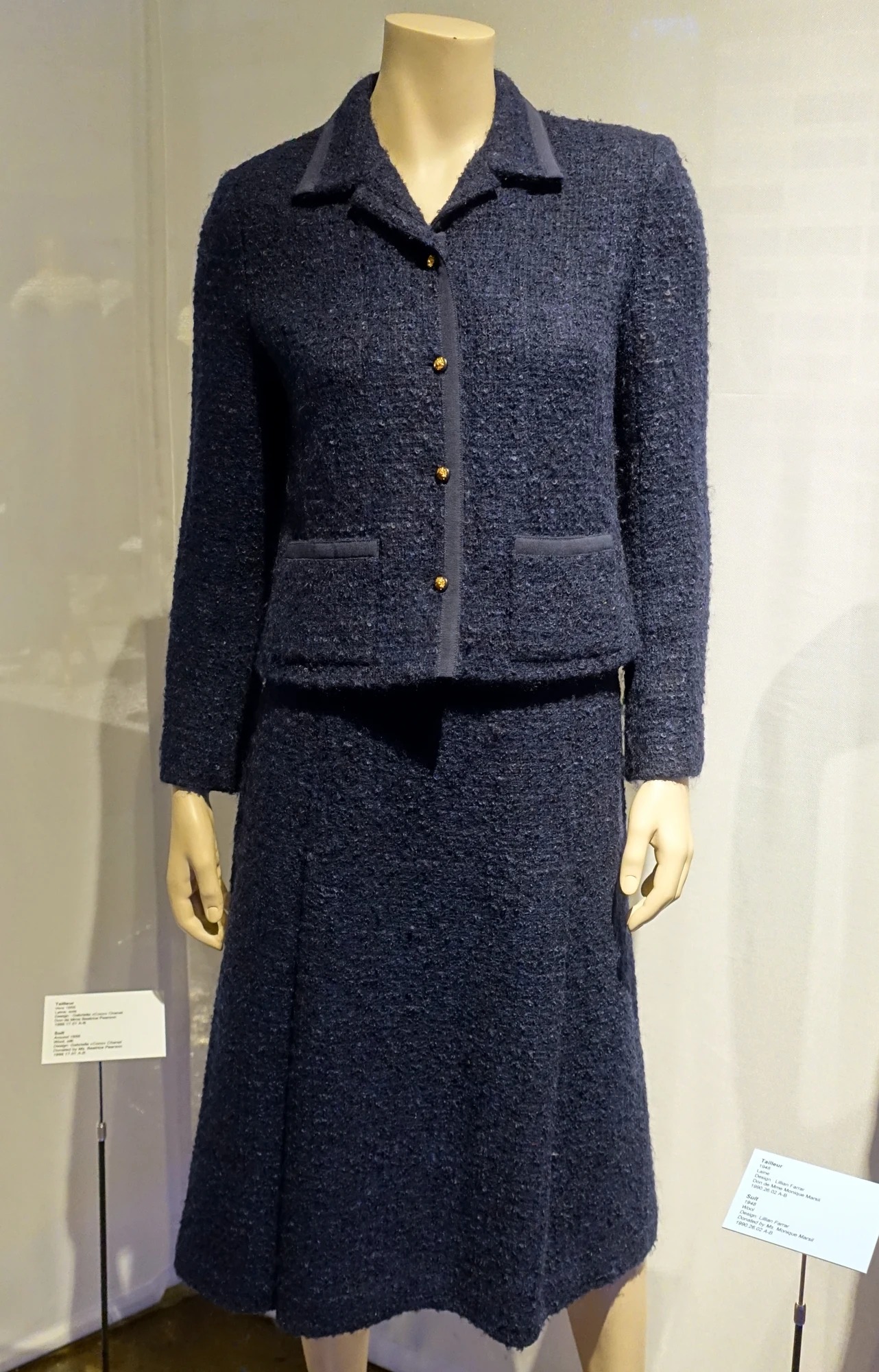
A suit is more than an outline
Chanel history becomes clearer when a suit is considered on a moving body rather than as a familiar photograph. The braid and pockets of a tweed suit are recognizable signs, but the relationship between jacket, wearer and skirt matters equally. Clothing changes shape as someone sits or raises an arm. Lining, buttons, sleeves and hems participate in those movements. A garment resembling the outline is therefore not necessarily constructed according to the same principles. Look closely at the textile, then step back to assess proportion. Restrained forms can make small decisions unusually visible. This is an observational reading rather than a claim that every house garment uses identical construction.
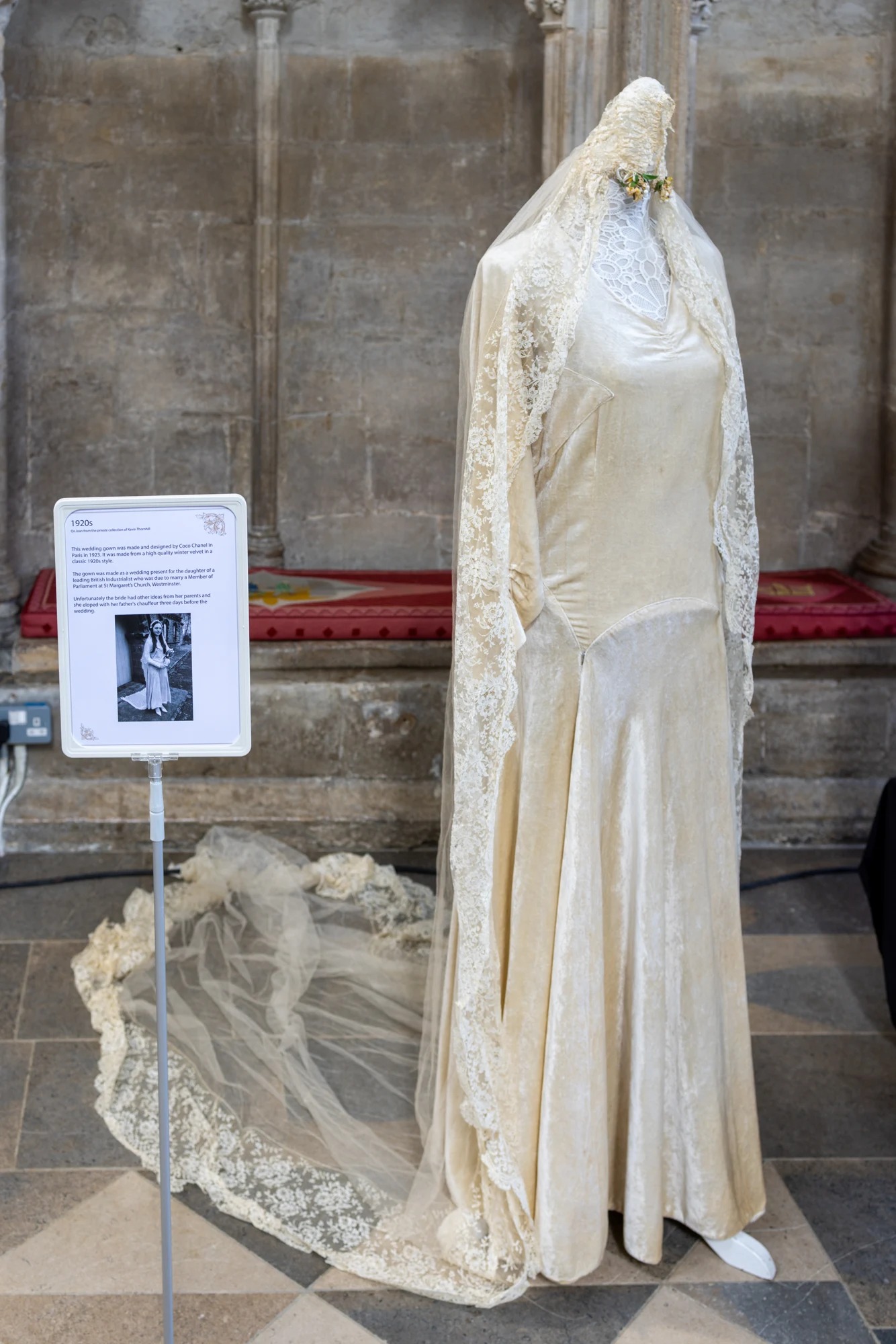

From millinery to jersey
Chanel history begins commercially with a Paris hat shop in 1910. The official chronology follows the expansion into Deauville, jersey sportswear and couture in Biarritz. Jersey is knitted rather than woven, giving it a different kind of flexibility. A 1916 blouse discussed by the V&A offers a concrete early example: a sailor-like collar and loosely tied waist suggest a different relationship between formality and movement. This should not become a story in which one designer single-handedly invented freedom in women’s clothing. More precisely, familiar materials and forms were recombined within fashion. The distinction keeps a useful design achievement separate from an exaggerated origin myth.
Black as a vocabulary
Chanel history treats the black dress more accurately as a changing category than as one immutable product. The V&A identifies the design published in American Vogue in 1926 as an important example, while documenting later uses of black. Chanel did not invent the colour or introduce it to clothing for the first time. The useful question is how material and setting alter its effect. Satin reflects light differently from velvet, while chiffon can make black translucent. Reduced ornament does not necessarily mean simple construction. Pleats, exposed skin and the lengths of sleeves and skirts still organize the image. Compare these decisions instead of treating colour alone as an explanation.
Revisiting the jacket
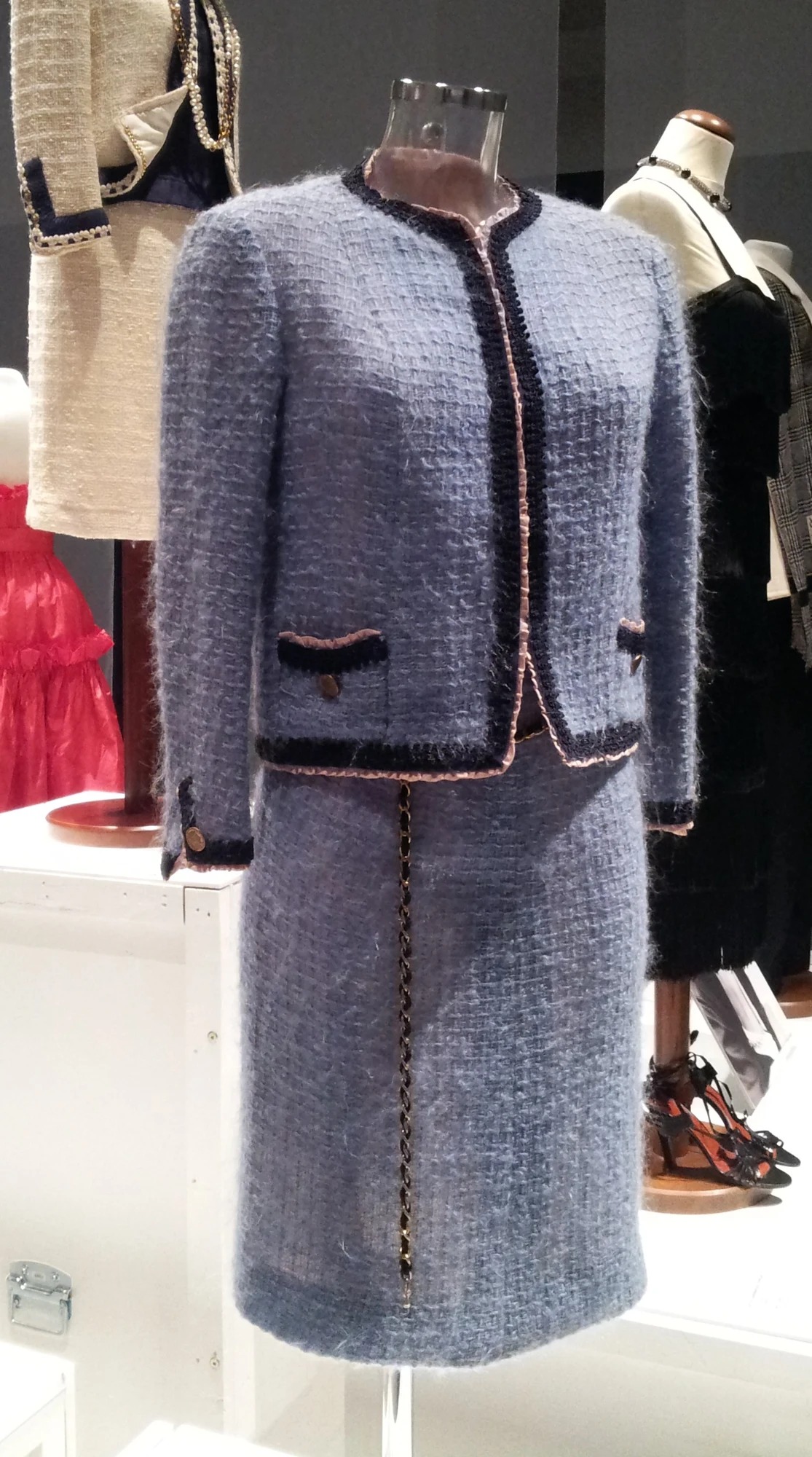
Chanel history connects early clothing with the post-war wardrobe through the couture comeback of 1954. The tweed suit is associated with this period, but examples differ in yarn, surface, trim and proportion. The house chronology identifies a trimmed version in 1956; that date should not be mistaken for the invention of every component. A familiar design language can accommodate many variations. Its social meaning also changes: a form once offering an alternative to stiff dressing can later become a sign of formality itself. Continuity in making and change in cultural use are therefore separate questions, both necessary for understanding why a garment remains recognizable.
A bag carried on the shoulder
Chanel history gives the 2.55 bag a specific date: 1955. The official account identifies quilting, a chain shoulder strap and the rectangular Mademoiselle fastening. Quilting can be examined as a way of joining layers as well as a surface pattern. Not every later flap handbag should be called a 2.55 bag merely because it has a chain. Fastenings, strap construction and dimensions can differ. Consider how the contents place weight on the shoulder and how the side rests against the body. An accessory also organizes movement. Studying pockets and closures reconnects a celebrated exterior with the ordinary actions that make it useful.

Shoes and collaborative making
Chanel history extends beyond jackets and bags through the two-tone shoes introduced in 1957. A light body and dark toe divide the visual length of the foot. The official chronology credits shoemaker Massaro with a contribution to the elasticated heel strap. Reading two-tone shoes solely as a designer’s sketch would erase the expertise required to make them fit and stay in place. A visual decision and a structural solution operate together. Garments, bags and footwear require different processes, so coherence does not mean identical manufacture. It can emerge from specialists coordinating colour and proportion across distinct materials and tools.
Codes are not identical objects
Chanel history should distinguish Gabrielle Chanel’s work from later interpretations of the house vocabulary. The presence of a chain, quilting or braid does not make a later object her original design. Enlarging a detail or changing its material creates another proportion and mood. Record the date, collection and construction alongside the product name. Museum descriptions help examine specific objects, while official chronologies show how the company organizes its own past. Reading both avoids treating an archive merely as an advertisement for current goods. Continuity then becomes the repeated reworking of recognizable elements, rather than the preservation of one fixed image of a woman.
Timeline
- 1910 — The Paris millinery shop opens
- 1954 — The couture house reopens
- 1955 — The 2.55 handbag is introduced
- 1957 — Two-tone shoes are introduced
Questions and answers
How did Chanel begin?
A Paris hat shop opened in 1910, followed by expansion into jersey clothing and couture.
Is every chain bag a 2.55?
No. The 1955 design and later variations should be distinguished by their fastenings, straps and other construction details.
How can the signature products be compared?
Compare movement in a suit, closures in a bag and support in a shoe to understand design decisions across different objects.