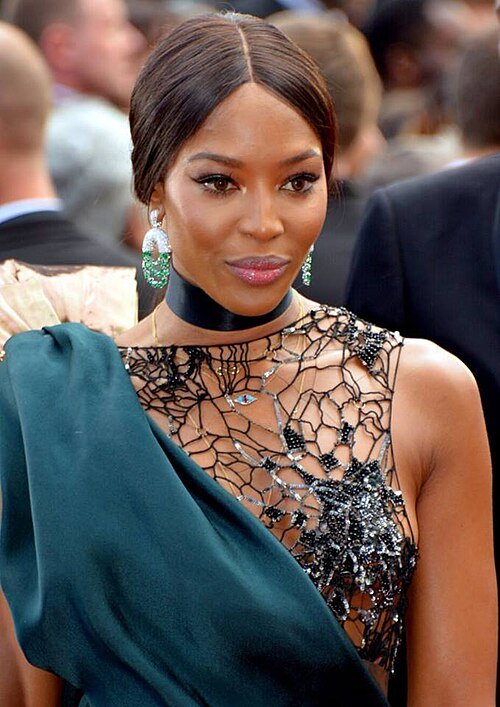
Models · 022
Naomi Campbell
Life & Career
- Born
- 1970-05-22
- Nationality
- British
Origins
Born in London in 1970, Campbell trained in dance and performance before modeling. Early music-video appearances help contextualize the bodily discipline of her later runway work.[1][2]
Entry into fashion
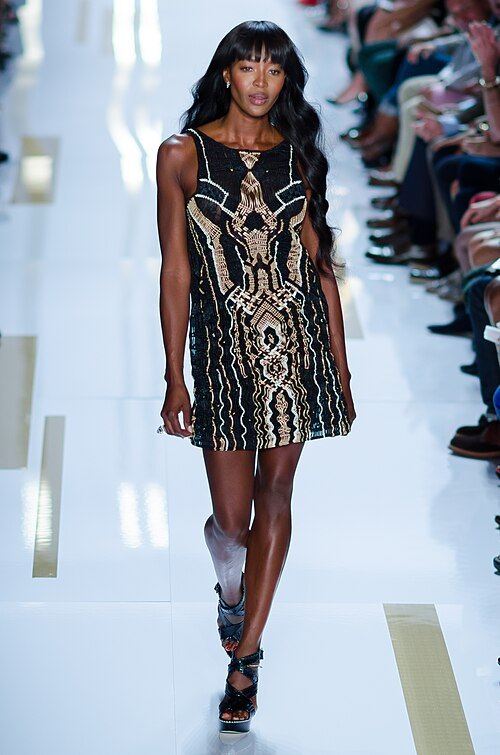
Scouted in Covent Garden at fifteen, she moved rapidly into international work while navigating both professional demands and racial barriers.[1][2]
Creative partnership
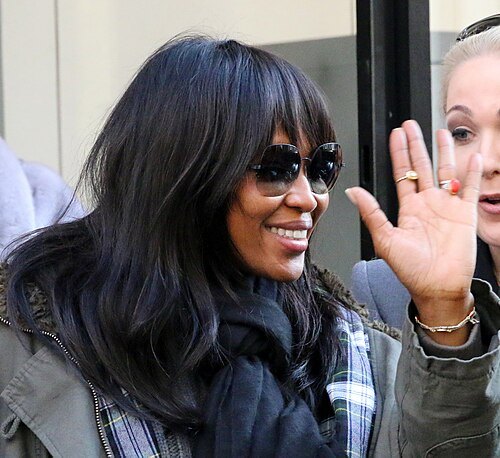
Her August 1988 Paris Vogue cover was a landmark, followed by American Vogue’s September 1989 issue. These edition-specific milestones did not mean discrimination had ended.[1][2]
Defining work
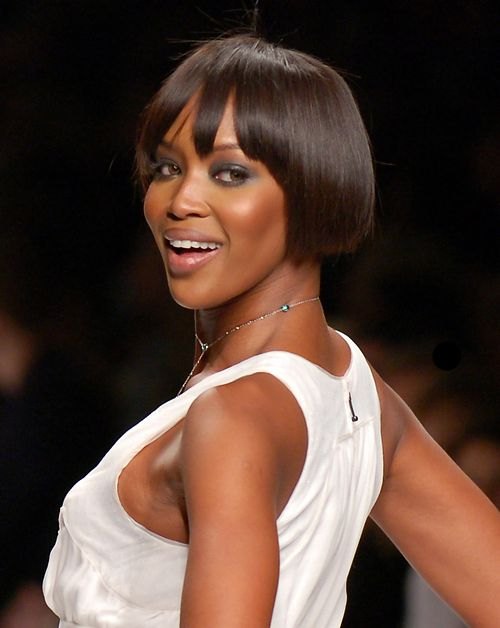
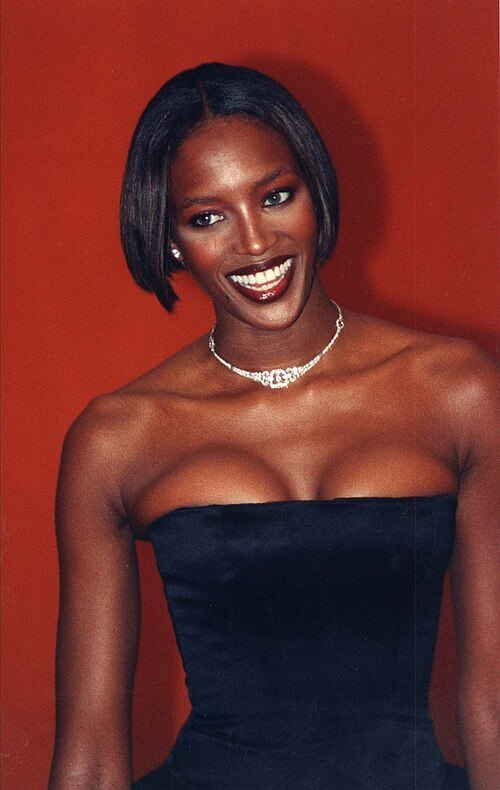
The 1990 group cover and Freedom! ’90 video coincided with close designer collaborations. Her distinctive walk became a central part of the supermodel era’s live imagery. Magazine pages, music video and runway appearances repeated and reinforced one another. Cooperation among the models mattered alongside individual competition in creating their collective fame.[1][2][3]
Changing direction
Music, publishing, television and an editorial role broadened her activities alongside fashion work. These are distinct professional forms rather than a single uninterrupted runway role.[2][4]
Later career
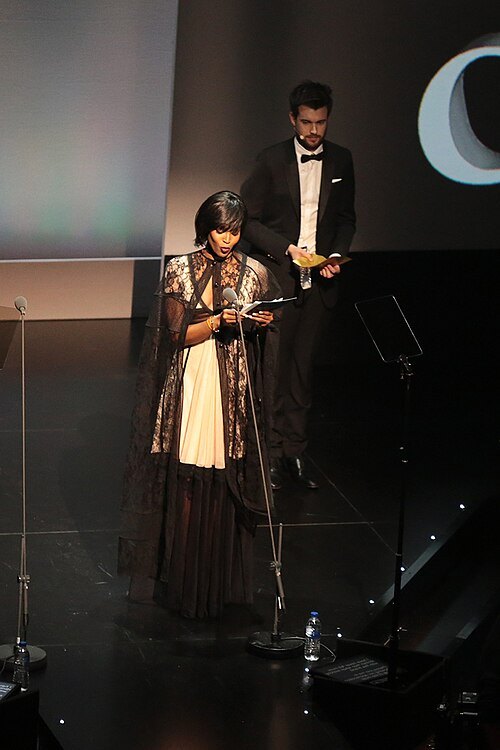
The V&A exhibition ran from June 2024 to April 2025, combining garments, photographs and personal records. It treated the model’s relationships with designers as a subject of museum study. The display brought personal garments together with designers’ archives and photography. It placed the model who made clothing into a public image at the center of research alongside its makers.[1]
Legacy
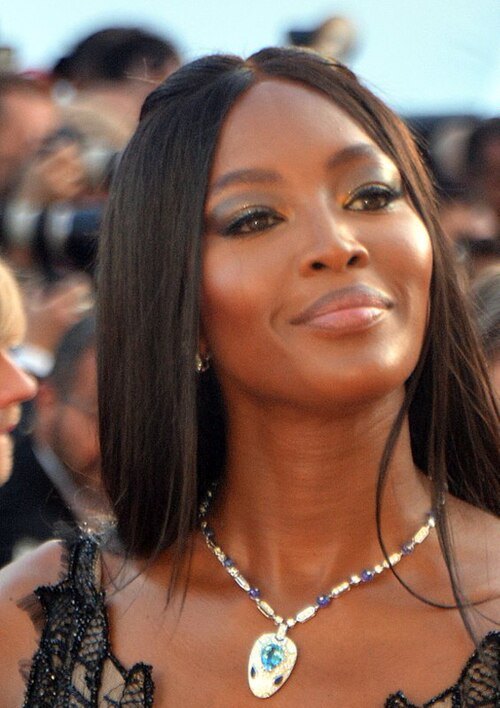
Dated 2026 editorial and cover credits show continued work. Her legacy combines representation, movement and long-term creative collaboration, documented through both industry archives and museums. Keeping exhibition dates distinct from new photographic credits allows historical reassessment and continuing work to be recorded together.[4] Exhibition dates and current publication credits distinguish retrospection from ongoing work. To assess continuity, separate the repeated circulation of familiar images from newly produced work. Exhibiting an earlier garment and taking part in a new shoot both relate to a career, but they are different activities. Dates and collaborators make that distinction clearer. Moving footage and still editorials also reveal different forms of expression, adding specificity to an assessment based only on name recognition.