Models · 018
Janice Dickinson
Life & Career
- Nationality
- American
Origins
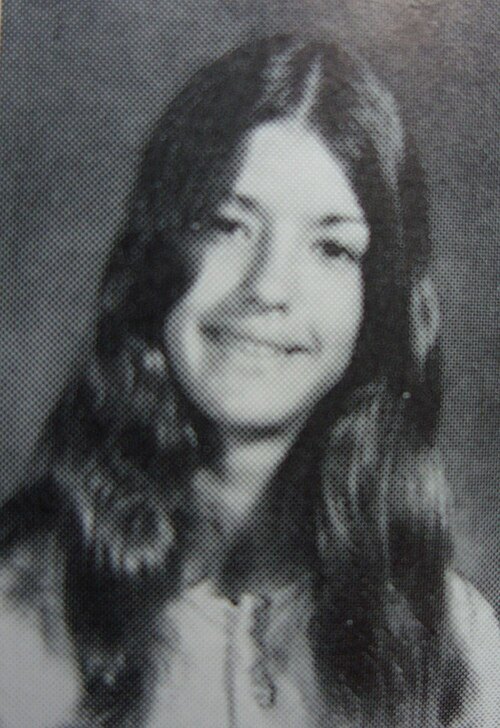
Born in New York and raised in Florida, Dickinson pursued modeling in her teens. Sources disagree on the exact birth day, so only the widely supported year 1955 is recorded.[1][2]
Entry into fashion
European work expanded her opportunities in the 1970s. Editorial bookings demonstrate how a face rejected in one commercial setting could succeed in another.[1][2]
Creative partnership
Her fashion credits include major designers and Arthur Elgort’s 1975 Vogue photographs. This archive establishes the substantial modeling work preceding reality television fame. Her collaborators included Versace, Valentino and Calvin Klein. Printed photographs allow her handling of pose and clothing to be examined independently of later publicity about her personality.[2][3]
Defining work
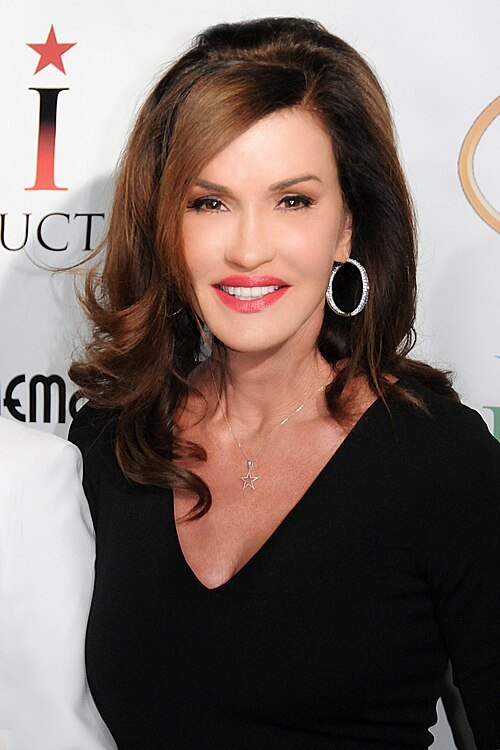
No Lifeguard on Duty (2002) presented her recollections. Its “first supermodel” claim is self-description rather than an uncontested historical fact.[1][2]

Changing direction
From 2003 she judged early seasons of America’s Next Top Model. The role translated industry experience into an edited competition format and introduced her to a new audience. She assessed contestants’ photographs and walks, while her outspoken manner became part of the program’s public character. An edited entertainment format does not represent the whole working fashion industry.[2][4]
Later career
Her agency-centered television series followed, with 2006 interviews discussing the shift toward management. Broadcast drama should be distinguished from the entirety of the business.[4][5]
Legacy
Later coverage revisits both fashion and television work. Netflix’s 2026 documentary explanation is contextual reporting, not evidence that she participated in that production. The two periods require attention together: fashion production in the 1970s and 1980s, and the transformation of model-industry experience into television during the 2000s.[3][6]