Models · 029
Helena Christensen
Life & Career
- Born
- 1968-12-25
- Nationality
- Danish
From Copenhagen into fashion
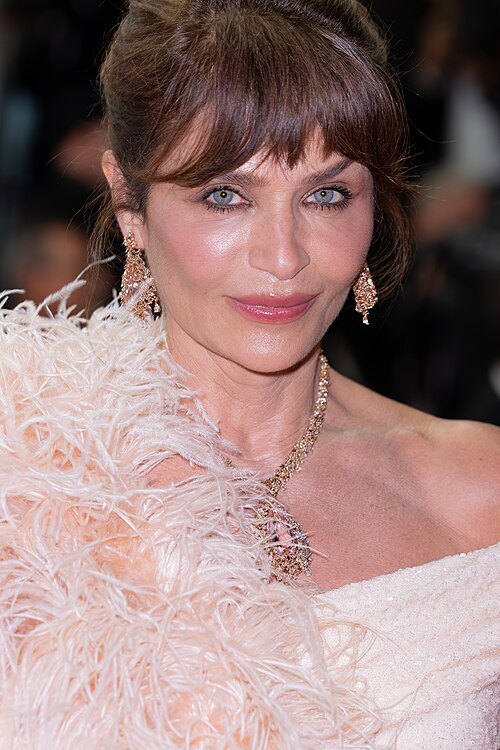
Helena Christensen was born in Copenhagen in 1968 and grew up with Danish and Peruvian cultural backgrounds. After representing Denmark in beauty competitions, she developed her modeling career in Paris. Vogue’s retrospective places the transition from pageants to fashion shows within her early professional history. Later interests in photography and travel should not be reduced to a single childhood explanation. Moving between countries and learning how photographic and design teams worked provided her professional foundation.[1][2]
Establishing a photographic presence
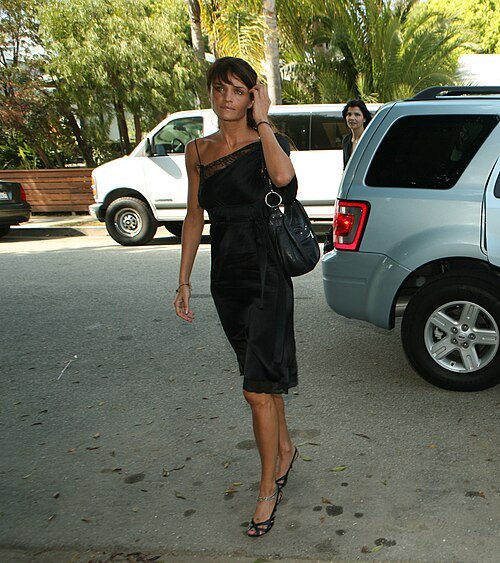
Work with photographers including Peter Lindbergh established Christensen internationally. Runways for Valentino, Dior, Chanel and Versace reveal a range beyond one style. Vogue’s visual archive includes Galliano’s theatrical clothes, Alaïa’s body-conscious silhouettes and Westwood’s runway. Conveying different designs through structure and movement involved skills not captured by a single memorable portrait. These assignments accumulated experience later useful in other creative roles.[2]
The international reach of music video
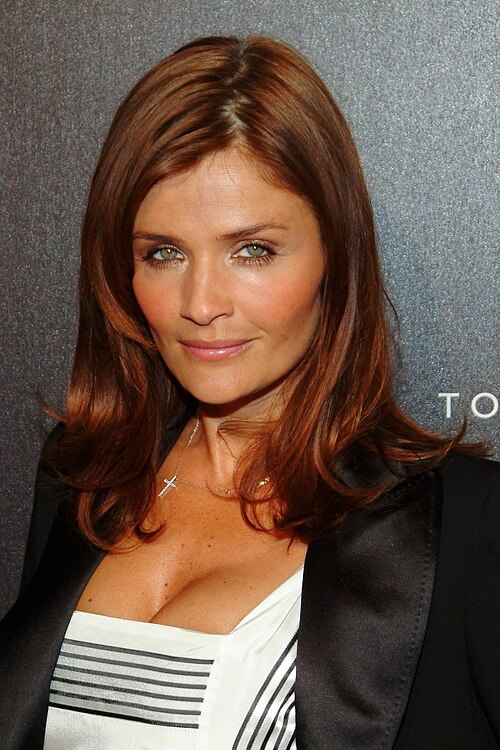
Christensen reached audiences beyond fashion through Chris Isaak’s Wicked Game video. In Herb Ritts’s black-and-white film, beach, light and movement helped construct the song’s atmosphere. Its popularity left an image independent of a particular magazine or fashion brand. The project is an important example of supermodels contributing to the visual language of music. Its lasting recognition should not obscure the breadth of editorial, runway and photographic work surrounding it.[1]
Becoming a photographer and editor
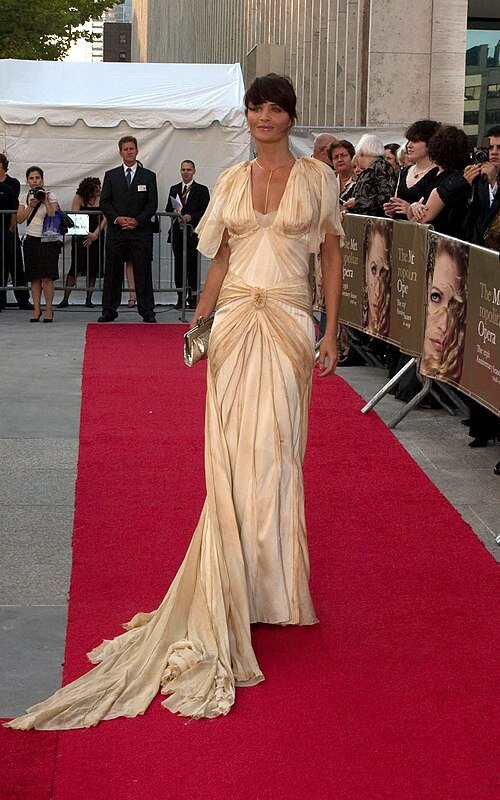
Christensen participated in founding Nylon in 1999 and in its creative direction. Experience controlling expression and movement in front of a lens developed into decisions about which people and scenes to photograph. Her photography extended beyond fashion to places and people encountered through travel. A 2009 exhibition was connected with Oxfam’s climate-change campaign. Rather than treating photography as a model’s incidental hobby, this phase marks responsibility for creative and editorial decisions.[2][3]
Humanitarian work and documentation
Christensen began supporting UNHCR in 2015 and became a Goodwill Ambassador in 2019. In Colombia, Ukraine and Rwanda she photographed people affected by forced displacement. These photographs served to direct attention toward people’s lives and testimony rather than merely record a celebrity visit. Documenting both displacement and daily life allows subjects to be seen beyond a single moment of tragedy. Humanitarian photography became a way to use longstanding visual skills for public communication.[4][5]
Parallel creative roles
In a 2025 Numéro interview, Christensen discussed parallel work as a model, photographer and artistic collaborator for brands. Projects involving fragrance house Strangelove and design demonstrate an interest in sensory imagery beyond clothing. Her account emphasized continuing interests in nature, sound, scent and visual experience, rather than inventing a new identity by erasing the past. These overlapping roles differ from a simple chronology of leaving modeling for another profession.[3][6]
A career expanded through looking
A significant development in Christensen’s career is the expansion from being seen to becoming an observer. International recognition from shows and music video became a resource for magazine production and humanitarian documentation, although each activity required different responsibilities. Her career connects visual experience while distinguishing advertising from documentary purposes. The latest concrete evidence used here is a 2025 interview and UNHCR’s public account of her work, without adding unverified future appearances.[4][6]